

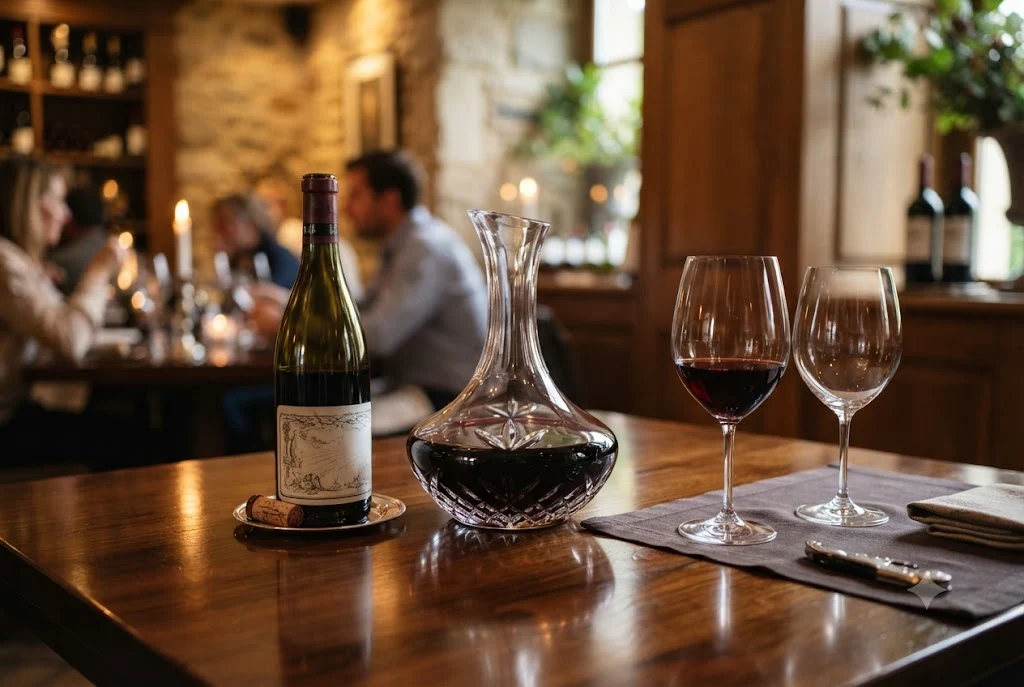
Understanding the Decant Meaning can enhance your appreciation of wine and improve your confidence when dining at restaurants or hosting guests at home. Although decanting is often associated with fine wines, it is simply the process of carefully transferring a liquid from one container to another. This technique can improve a wine’s aroma, flavour, and clarity while making the overall drinking experience more enjoyable.
What Is the Decant Meaning?
The word decant means to slowly pour a liquid from one container into another without disturbing any sediment that may have collected at the bottom. In everyday use, the term is most commonly associated with wine, although it can also apply to whisky, spirits, oils, and other liquids.
For example:
- The sommelier decanted the red wine before serving it.
- She carefully decanted the vintage port into a crystal decanter.
Unlike simply pouring a drink into a glass, decanting is done with care to improve the presentation and drinking experience.
What Is a Decanter?
A decanter is a specially designed vessel used to hold wine or other beverages after they have been decanted. Most decanters are made from clear glass or crystal and feature a wide base with a narrow neck.
The shape increases the wine’s surface area, allowing it to come into contact with oxygen. This process, known as aeration, can help soften certain wines and release their aromas.
Decanter Meaning in Wine Service
In professional hospitality, a decanter is more than just an attractive serving container. Wine professionals use it to:
- Separate wine from sediment.
- Increase exposure to oxygen.
- Enhance aroma and flavour.
- Improve presentation during service.
- Provide a smoother drinking experience.
Not every wine requires decanting, but many full-bodied red wines benefit from the process.
What Is Decant?
If you’ve ever wondered, what is decant, the answer is straightforward. It is the act of transferring a liquid into another container carefully and deliberately. While wine is the most familiar example, decanting may also be used for:
- Olive oil
- Whisky
- Port
- Brandy
- Homemade juices
In each case, the goal may be to separate sediment, improve presentation, or make serving easier.
Why Do Wine Lovers Decant Wine?
Removing Sediment
Older red wines often develop natural sediment as they age. Decanting allows the clear wine to be separated from these deposits before serving.
Improving Aeration
Exposure to oxygen allows many wines to “open up,” releasing more complex aromas and flavours.
Enhancing the Dining Experience
A beautifully presented decanter can elevate the appearance of a dinner table and make wine service feel more refined.
Decanting vs Pouring
Although people sometimes use these terms interchangeably, they have different meanings.
Pouring
Pouring simply transfers liquid from one container to another without any specific purpose beyond serving.
Decanting
Decanting is a slower, more controlled process designed to separate sediment or improve a beverage through aeration.
Every decant involves pouring, but not every pour is considered decanting.
When Should You Decant Wine?
Wine experts often recommend decanting:
- Older red wines with visible sediment.
- Young, full-bodied red wines that benefit from aeration.
- Vintage ports.
- Certain premium white wines with complex aromas.
However, delicate or older wines may require only a short period of aeration to avoid losing their subtle characteristics.
What Is Decanter Winery and Dinery?
Decanter Winery and Dinery is a proper business name rather than a general wine term. It refers to a winery and dining establishment that combines wine experiences with restaurant-style dining. When searching online, it’s important to distinguish between the business name and the general meaning of “decanter.”
Common Wine Vocabulary Related to Decanting
Learning related terminology helps build a stronger understanding of wine service.
- Aeration – Introducing oxygen to wine.
- Sommelier – A trained wine professional.
- Vintage – The year grapes were harvested.
- Bouquet – The developed aroma of a wine.
- Sediment – Natural particles formed during ageing.
If you’re expanding your knowledge of food and drink terminology, you may also enjoy our guides on Food and Beverage Vocabulary, Beverage Industry Terms, Flavourful Meaning, and Beverage Consumption Terms.
Tips for Decanting Wine at Home
Pour Slowly
Transfer the wine gradually to prevent sediment from entering the decanter.
Use a Clean Decanter
Any residue or odour can affect the wine’s flavour and aroma.
Allow Time to Breathe
Many young red wines benefit from 30 to 60 minutes of aeration before serving.
Serve at the Right Temperature
Proper serving temperature helps preserve aroma and flavour after decanting.
Final Thoughts
Understanding the Decant Meaning helps wine enthusiasts, hospitality professionals, and casual diners appreciate one of the most recognised techniques in wine service. Whether you’re separating sediment from an aged bottle or allowing a young red wine to breathe, decanting enhances both presentation and flavour. Combined with a broader understanding of beverage vocabulary, this knowledge makes dining experiences more enjoyable and helps you communicate confidently about wine.
For additional guidance on wine terminology and responsible wine service, visit the Wine & Spirit Education Trust (WSET), a globally recognised authority on wine education.
