

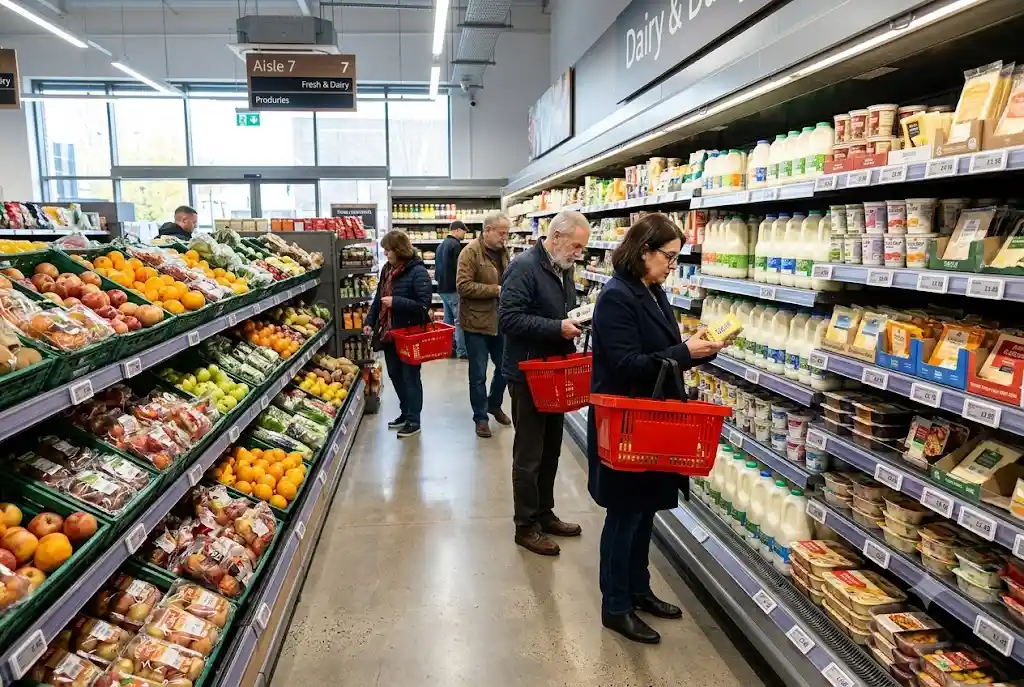
Food Prices and Inflation continue to influence how households, businesses, and policymakers make financial decisions across the United Kingdom. Rising grocery bills, supply chain disruptions, labour shortages, energy costs, and global economic pressures have all contributed to changes in food prices in recent years. Understanding why food inflation occurs and how it affects consumers is essential for making informed purchasing decisions and preparing for future market trends.
This guide explores the main causes of food inflation in the UK, its impact on consumers and businesses, government strategies, and what experts expect for the years ahead.
What Are Food Prices and Inflation?
Food prices refer to the cost consumers pay for groceries, fresh produce, beverages, and packaged food products. Inflation occurs when the average price of goods and services increases over time, reducing purchasing power.
Food inflation specifically measures how much food costs rise compared with previous periods. While prices naturally fluctuate due to seasonal factors, sustained increases often reflect broader economic conditions.
Why Have Food Prices Increased in the UK?
Several interconnected factors influence food prices across the country.
Higher Energy Costs
Food production, refrigeration, transportation, and manufacturing all require significant amounts of energy. Increased energy prices often lead to higher production costs that can eventually affect retail prices.
Supply Chain Disruptions
Global shipping delays, transportation bottlenecks, and shortages of raw materials have made food supply chains more expensive and less predictable.
Labour Shortages
Many areas of the food service industry and food manufacturing sector have experienced labour shortages, increasing operating costs throughout the supply chain.
Climate and Weather Events
Extreme weather conditions can reduce crop yields, disrupt harvests, and affect food availability, contributing to price increases for certain products.
Global Commodity Markets
International prices for wheat, dairy, oils, meat, and other agricultural commodities influence UK food costs because many ingredients are traded globally.
How Food Inflation Affects UK Households
Higher food prices directly impact household budgets, especially for families with lower incomes.
Common effects include:
- Higher weekly grocery spending
- Greater demand for supermarket own-brand products
- Reduced spending on discretionary items
- Changes in meal planning and shopping habits
- Increased interest in promotions and discounts
Many consumers also compare prices more carefully before purchasing premium food products.
Food Security in the UK
Food security in the UK refers to ensuring that everyone has reliable access to sufficient, safe, and nutritious food. Rising food prices can make this objective more challenging, particularly for vulnerable households.
Food security depends on several factors, including:
- Stable domestic food production
- Efficient supply chains
- Affordable retail prices
- International trade
- Sustainable agriculture
Strengthening these areas helps improve resilience against future economic or environmental disruptions.
The National Food Strategy and UK Food Strategy
The National Food Strategy provides recommendations aimed at creating a healthier, more sustainable, and resilient food system.
Key objectives include:
- Supporting domestic food production
- Improving environmental sustainability
- Encouraging healthier diets
- Reducing food waste
- Strengthening long-term food security
Government policy continues to evolve as economic conditions and consumer needs change.
How Businesses Are Responding
Food producers, retailers, and manufacturers have introduced several strategies to manage rising costs while remaining competitive.
- Improving manufacturing efficiency
- Reducing packaging costs
- Diversifying suppliers
- Investing in automation
- Launching value-focused product ranges
Many businesses are also expanding premium and convenience categories to meet changing consumer demand. Our guide to Food and Beverages Industry in the UK explains how manufacturers and leading brands are adapting to these challenges.
Factors Affecting Food Selection
Although price remains an important consideration, purchasing decisions are influenced by many other factors.
- Nutrition
- Taste
- Quality
- Convenience
- Dietary requirements
- Brand reputation
- Sustainability
- Availability
As budgets become tighter, many shoppers seek products that offer the best balance between quality and affordability.
Impact on the Food Service Industry
The food service industry—including restaurants, cafés, pubs, and catering businesses—has also experienced increased operating costs.
Businesses have responded by:
- Updating menus
- Reducing food waste
- Improving inventory management
- Negotiating with suppliers
- Introducing seasonal ingredients
These measures help businesses remain competitive while maintaining product quality.
What Consumers Can Do
Although inflation cannot be controlled by individuals, consumers can take practical steps to manage food costs.
- Plan meals in advance
- Compare supermarket prices
- Buy seasonal produce
- Reduce household food waste
- Take advantage of promotions where appropriate
- Choose products that offer long-term value
Ready-to-eat options have also become increasingly popular for busy households. If you’re considering convenient meal solutions, our guide to Best Ready Meals UK explores frozen, microwave, and ready-to-eat choices available across British supermarkets.
Future Outlook for Food Prices in the UK
Future food prices will depend on a combination of domestic and international factors, including energy markets, weather conditions, agricultural productivity, labour availability, and global trade.
While inflation rates may fluctuate over time, businesses continue investing in more efficient production methods, improved supply chains, and sustainable practices that may help stabilise prices over the longer term.
Conclusion
Food Prices and Inflation remain important issues for consumers, businesses, and policymakers across the UK. Rising costs affect household budgets, food manufacturers, retailers, and the wider economy, making efficient supply chains and sustainable production increasingly valuable.
By understanding the factors behind food inflation and following practical budgeting strategies, consumers can make more informed purchasing decisions while businesses continue adapting to an evolving marketplace.
For official information on food affordability, consumer guidance, and wider economic data, visit the Office for National Statistics (ONS).
