

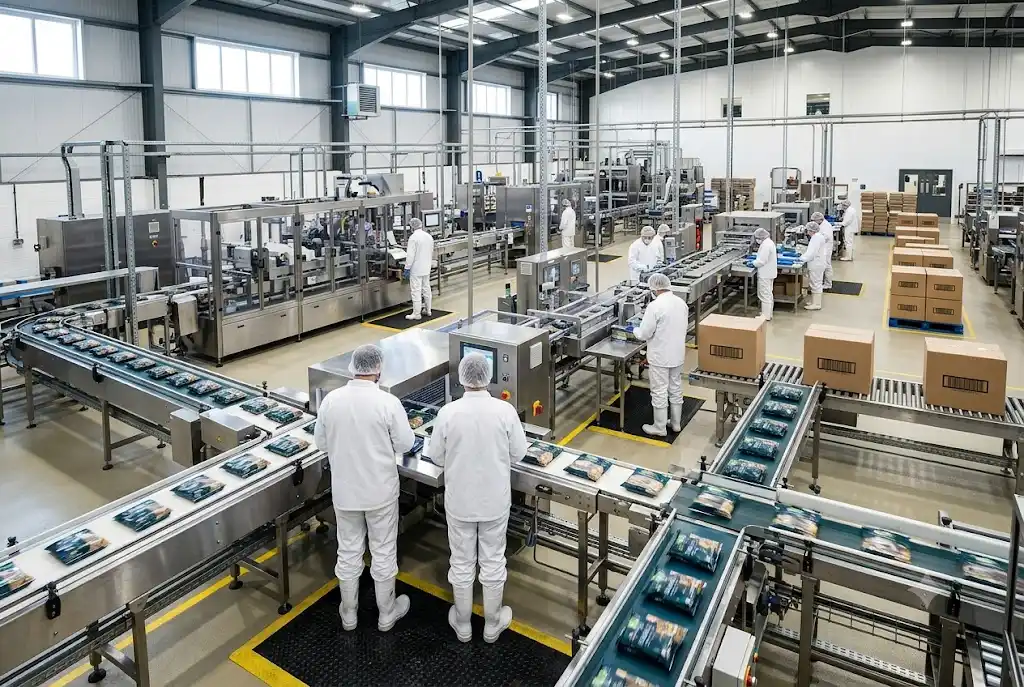
Food Manufacturers UK play a vital role in supplying safe, high-quality food to supermarkets, restaurants, wholesalers, retailers, and consumers across the country. From sourcing raw ingredients to processing, packaging, quality assurance, and nationwide distribution, the UK food manufacturing industry is one of the country’s largest and most important industrial sectors. Whether you’re a business owner looking for suppliers or simply interested in how your food reaches supermarket shelves, understanding food manufacturing provides valuable insight into one of Britain’s most essential industries.
The UK food sector continues to evolve through innovation, automation, sustainability, and changing consumer preferences. Manufacturers now focus not only on producing safe food but also on reducing waste, improving packaging, increasing efficiency, and meeting strict food safety regulations.
What Are Food Manufacturers UK?
Food manufacturers are businesses that transform raw agricultural products into finished food products ready for sale. Their operations range from small artisan producers to multinational companies supplying millions of products every day.
Food manufacturers produce a wide variety of goods including:
- Bakery products
- Dairy products
- Frozen foods
- Ready meals
- Confectionery
- Beverages
- Meat products
- Seafood
- Snacks
- Plant-based foods
Every stage follows strict food safety standards designed to protect consumers while maintaining consistent product quality.
The UK Food Manufacturing Industry
The food manufacturing industry is one of the UK’s largest manufacturing sectors. It supports thousands of businesses, creates significant employment opportunities, and contributes substantially to the national economy.
Modern manufacturers combine traditional food production methods with advanced technology to improve efficiency, consistency, and sustainability.
Key priorities include:
- Food safety
- Quality assurance
- Product innovation
- Sustainable sourcing
- Energy efficiency
- Waste reduction
- Responsible packaging
How Food Is Manufactured
Although production methods vary depending on the product, most food manufacturing follows a similar process.
1. Ingredient Sourcing
Manufacturers source ingredients from trusted farmers, fisheries, growers, and approved suppliers while ensuring traceability throughout the supply chain.
2. Quality Inspection
Raw materials are inspected before production begins to verify freshness, safety, and compliance with food regulations.
3. Food Processing
Ingredients are cleaned, prepared, cooked, mixed, preserved, or processed using specialised equipment depending on the product being manufactured.
4. Packaging
Finished products are packaged using materials that protect freshness, extend shelf life, and provide important consumer information.
To understand packaging requirements in greater detail, read our guide on Food Packaging and Labels.
5. Quality Control
Products undergo extensive quality testing throughout production before being released for distribution.
6. Distribution
Finished goods are delivered to supermarkets, wholesalers, restaurants, cafés, and retailers across the UK.
Food Processing in Modern Manufacturing
Food processing involves transforming raw ingredients into safe, convenient, and high-quality food products.
Common food processing methods include:
- Pasteurisation
- Freezing
- Drying
- Fermentation
- Canning
- Baking
- Cooking
- Mixing
- Grinding
- Packaging under controlled conditions
Modern processing techniques help maintain food quality while improving shelf life and reducing waste.
Food Producers and Manufacturers
Although the terms are sometimes used interchangeably, food producers and manufacturers perform different roles.
- Food producers grow, raise, or harvest raw ingredients such as vegetables, fruit, grains, meat, milk, or seafood.
- Food manufacturers process those ingredients into finished consumer products.
Together they form an integrated supply chain that delivers food from farms to consumers.
Food Factories in the UK
Thousands of food factories operate throughout the UK, producing products for both domestic consumption and international export.
Many consumers search for:
- food factories in UK
- food factory Nottingham
- food factories near me
- food manufacturers near me
Available manufacturers vary depending on region, product category, and production capacity. Businesses seeking suppliers should evaluate quality certifications, production capabilities, sustainability policies, and supply chain reliability.
Packaging and Product Information
Packaging is an essential part of modern food manufacturing. It protects products during transportation while providing legally required information for consumers.
Food packaging typically includes:
- Ingredients
- Nutrition information
- Allergen declarations
- Storage instructions
- Best before or use by dates
- Manufacturer details
Consumers who understand product labels can make better purchasing decisions. Our article on Food Facts and Nutrition explains how nutritional information supports healthy eating.
Sustainability in UK Food Manufacturing
Sustainability has become one of the industry’s highest priorities. Manufacturers are investing in environmentally responsible practices throughout production.
Examples include:
- Reducing food waste
- Improving recycling rates
- Using recyclable packaging
- Reducing carbon emissions
- Improving energy efficiency
- Responsible ingredient sourcing
- Water conservation initiatives
These improvements benefit both consumers and the environment while supporting long-term industry growth.
Innovation Across the Industry
Technology continues to transform food manufacturing through automation, robotics, artificial intelligence, and digital quality monitoring.
Current industry developments include:
- Automated production lines
- Smart quality inspection systems
- Digital traceability
- Sustainable packaging innovations
- Plant-based food development
- Health-focused product reformulation
Choosing a Food Manufacturing Partner
Businesses looking for manufacturing partners should consider:
- Food safety certifications
- Production capacity
- Quality management systems
- Packaging capabilities
- Supply chain reliability
- Sustainability commitments
- Industry experience
Selecting the right manufacturer helps ensure consistent product quality and dependable long-term supply.
The Future of Food Manufacturers UK
The future of Food Manufacturers UK will continue to be shaped by consumer demand for healthier products, environmentally responsible packaging, greater transparency, and technological innovation. Manufacturers that embrace sustainable production, digital transformation, and evolving dietary preferences will be well positioned to meet future market needs.
In our next article, we’ll explore Food and Beverage Manufacturing in more detail, including industry trends, production technologies, market opportunities, and the future of the UK’s manufacturing sector.
Conclusion
Food Manufacturers UK are the backbone of Britain’s food supply chain, connecting producers, retailers, and consumers through safe, efficient, and innovative production processes. From sourcing quality ingredients to advanced food processing and sustainable packaging, manufacturers play an essential role in ensuring reliable access to food across the UK. Understanding how the industry operates enables both consumers and businesses to appreciate the expertise, regulation, and innovation behind every packaged food product.
