
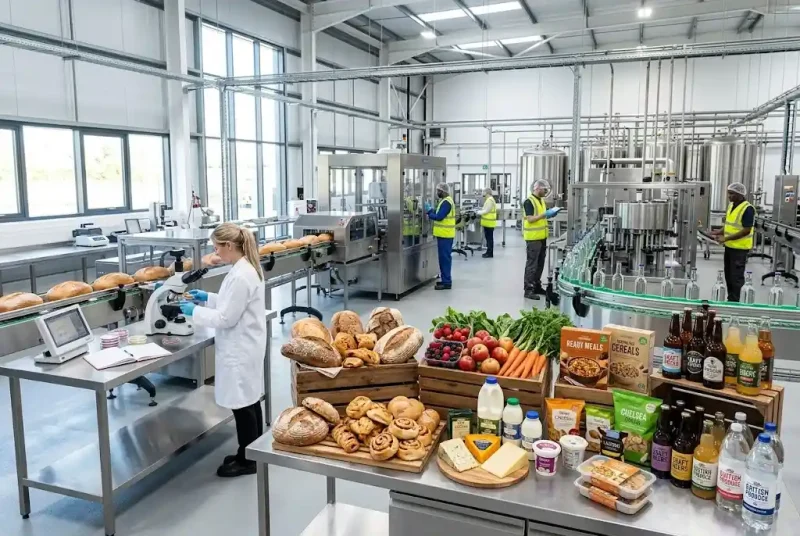

The Food and Beverages industry is one of the UK’s largest and most influential economic sectors. From globally recognised British food brands to innovative food producers and manufacturers, the industry supports millions of jobs while supplying consumers with a wide variety of products every day. Whether it is fresh produce, packaged foods, beverages, ready meals, or premium artisanal products, the UK food market continues to evolve alongside changing consumer preferences, sustainability goals, and technological innovation.
In this guide, we explore the structure of the UK food and beverage sector, key manufacturing trends, leading companies, major challenges, and the opportunities shaping its future.
Understanding the Food and Beverages Industry in the UK
The food and beverage sector covers every stage of the supply chain, including agriculture, food processing, manufacturing, packaging, logistics, retail, hospitality, and food service businesses.
Today, the UK’s F&B industry combines traditional manufacturing expertise with modern technology, creating products that are consumed domestically and exported around the world.
The sector includes:
- Food producers
- Food and beverage manufacturing companies
- Supermarkets
- Restaurants
- Cafés
- Food wholesalers
- Beverage manufacturers
- Online food retailers
Why the Food and Beverage Sector Matters
The food and beverage sector plays a significant role in the UK’s economy by:
- Creating employment across multiple industries
- Supporting agricultural businesses
- Driving exports of British food brands
- Encouraging innovation in sustainable food production
- Providing consumers with diverse food choices
The industry’s resilience has helped it adapt to economic fluctuations, changing consumer behaviour, and global supply chain disruptions.
Food and Beverage Manufacturing in the UK
Food and beverage manufacturing represents one of Britain’s largest manufacturing industries. Manufacturers transform raw agricultural ingredients into finished consumer products sold across supermarkets, restaurants, convenience stores, and export markets.
Modern food and beverage manufacturing increasingly focuses on:
- Automation
- Food safety
- Traceability
- Sustainable packaging
- Waste reduction
- Energy efficiency
- Product innovation
Advanced production technologies help manufacturers improve quality while maintaining high food safety standards.
Major Trends Shaping Food and Beverages
Health-Conscious Consumers
Consumers increasingly seek healthier food with beverage combinations, reduced sugar products, higher protein options, and cleaner ingredient lists.
Convenience Foods
Demand for convenient meal solutions continues to grow. Products such as ready meals, frozen meals, and microwave meals have become increasingly popular among busy households. If you’re exploring this category further, our guide to Ready Meals UK explains the leading brands and product types available.
Sustainability
Businesses continue investing in recyclable packaging, reduced emissions, ethical sourcing, and responsible production methods.
Digital Transformation
Artificial intelligence, smart manufacturing, automation, and digital supply chain management continue improving operational efficiency across the sector.
Leading Food Companies UK Consumers Recognise
The UK is home to numerous internationally recognised food companies and British food brands operating across manufacturing, retail, and consumer packaged goods.
Examples include businesses specialising in:
- Dairy products
- Bakery products
- Confectionery
- Frozen foods
- Prepared meals
- Beverages
- Fresh produce
- Plant-based products
Food companies in England and food companies in London also contribute significantly to innovation, exports, and employment throughout the country.
British Food Brands and Global Recognition
Many UK food brands enjoy strong international reputations for quality, heritage, and innovation. British food brands continue exporting products throughout Europe, North America, Asia, and the Middle East.
Successful food brand companies often invest heavily in:
- Research and development
- Quality assurance
- Sustainable sourcing
- Product innovation
- Brand reputation
Challenges Facing the Food & Bev Industry
Despite continued growth opportunities, businesses also face several challenges.
Rising Production Costs
Energy prices, transportation costs, labour shortages, and raw material expenses continue affecting manufacturers.
Supply Chain Pressures
Global disruptions have highlighted the importance of resilient supply chains and local sourcing.
Changing Consumer Expectations
Consumers increasingly expect transparency regarding ingredients, nutrition, sustainability, and ethical sourcing.
The Future of Food and Beverages in the UK
The future of the Food and Beverages industry will likely be driven by technological innovation, healthier products, sustainable manufacturing, and evolving consumer preferences.
Emerging growth areas include:
- Functional foods
- Plant-based alternatives
- Premium ready meals
- Personalised nutrition
- Eco-friendly packaging
- Digital food retail
Economic conditions also influence purchasing decisions across the market. Our upcoming guide on Food Prices and Inflation in the UK explores how inflation, food security, and government policy affect consumers and businesses alike.
Choosing Trusted Food Brands
When selecting food products, consumers should consider:
- Product quality
- Nutritional information
- Food safety certifications
- Sustainability commitments
- Brand reputation
- Value for money
Comparing products across trusted retailers can help shoppers make informed purchasing decisions while supporting responsible producers.
Conclusion
The UK Food and Beverages industry remains one of the country’s strongest economic sectors. With continued investment in manufacturing, innovation, sustainability, and consumer-focused product development, food producers and food brands continue adapting to changing market demands.
As consumer preferences evolve, businesses that embrace quality, transparency, and innovation will be well positioned for long-term success. Understanding how the sector operates also helps consumers make informed purchasing decisions and appreciate the role this vital industry plays in everyday life.
For official information on food safety, standards, and regulation, visit the UK Food Standards Agency.
