
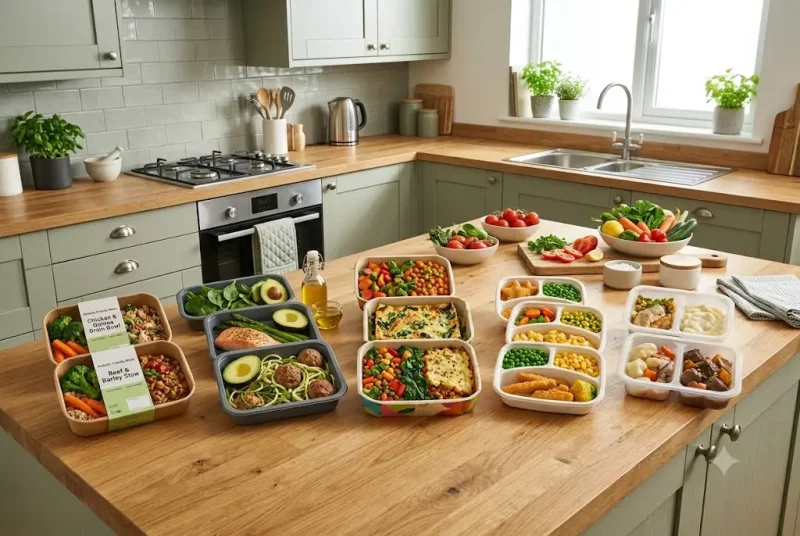

Ready Meals for Special Diets have become increasingly important as more people seek convenient meals that match their individual health, medical, and lifestyle requirements. Across the UK, supermarkets and specialist food providers now offer prepared meals designed for people following diabetic-friendly, ketogenic, vegetarian, calorie-controlled, and other specialised eating plans.
Whether you’re shopping for yourself, an elderly relative, or a child with specific dietary needs, choosing the right ready meal involves more than convenience. Nutritional balance, ingredient quality, portion size, and food safety all play an important role. This guide explores the different types of ready meals available for special diets and offers practical advice on choosing suitable options.
What Are Ready Meals for Special Diets?
Ready Meals for Special Diets are prepared meals formulated to meet particular nutritional requirements, health conditions, or personal dietary preferences. Unlike standard convenience meals, these products are often developed with carefully selected ingredients and clearly labelled nutritional information.
Many UK food manufacturers continue expanding their specialist meal ranges as awareness of personalised nutrition grows.
Ready Meals for Diabetics
People living with diabetes often look for meals that support stable blood sugar management while providing balanced nutrition. Although there is no universal “diabetic meal,” many products are designed with sensible portion sizes, fibre-rich ingredients, lean proteins, and controlled carbohydrate content.
When choosing ready meals for diabetics, consider:
- Balanced carbohydrate content
- Higher fibre ingredients
- Lean sources of protein
- Limited added sugars
- Appropriate portion sizes
Individual dietary needs vary, so medical advice should always take priority when selecting suitable meals.
Keto Ready Meals
Keto ready meals are designed for people following a ketogenic eating pattern, which typically emphasises healthy fats while limiting carbohydrate intake.
Popular keto-ready meal ingredients include:
- Chicken
- Beef
- Fish
- Eggs
- Cheese
- Leafy vegetables
- Cauliflower
- Healthy oils
Consumers should always review nutritional labels to ensure products align with their individual dietary approach.
Vegetarian and Plant-Based Meal Boxes
Vegetarian meal boxes and prepared vegetarian ready meals continue to grow in popularity throughout the UK.
Many options feature:
- Lentils
- Beans
- Chickpeas
- Wholegrains
- Fresh vegetables
- Plant-based protein alternatives
These meals can provide convenient, balanced nutrition for people choosing meat-free diets.
Ready Meals for Elderly People
Ready meals can offer valuable support for older adults who may find shopping or cooking more challenging. Many providers offer meals designed with portion sizes, softer textures, and balanced nutrition suitable for elderly consumers.
Important considerations include:
- Easy preparation
- Clearly labelled instructions
- Appropriate portion sizes
- Balanced nutrition
- Easy-to-open packaging
Mini meals for elderly people may also be suitable for those with smaller appetites or those who prefer eating several smaller meals throughout the day.
Children’s Ready Meals
Children’s ready meals are designed to provide age-appropriate portions while supporting balanced nutrition. Many products include vegetables, lean proteins, and wholegrain ingredients.
Parents should compare:
- Nutritional content
- Salt levels
- Added sugars
- Protein content
- Ingredient quality
Offering a variety of foods remains an important part of developing healthy eating habits during childhood.
Understanding Special Dietary Requirements
Special dietary requirements can arise for many reasons, including:
- Medical conditions
- Food allergies
- Religious practices
- Personal preferences
- Lifestyle choices
- Age-related nutritional needs
Food manufacturers increasingly provide clearer labelling to help consumers identify products suitable for different dietary requirements.
How to Choose the Right Ready Meal
Before purchasing any specialist ready meal, it is helpful to compare:
- Ingredient lists
- Nutritional information
- Protein content
- Calorie levels
- Fibre content
- Allergen information
- Preparation instructions
Carefully reading food labels helps ensure meals are appropriate for your individual needs.
Healthy Choices Within Special Diets
Many specialist meals also fall into the growing category of healthier prepared foods. If you’re looking for high-protein, calorie-controlled, or nutritious convenience meals, our guide to Healthy Ready Meals UK explains how to compare healthier microwave meals, frozen meals, and balanced prepared foods.
How Special Diet Meals Fit into the UK Food Industry
The growing demand for specialist nutrition reflects wider developments across the UK’s food manufacturing sector. Manufacturers continue investing in product innovation, improved nutritional quality, and sustainable production to meet changing consumer expectations.
To learn more about these wider trends, explore our guide to the Food and Beverages Industry in the UK, which examines food manufacturing, leading brands, and industry developments.
Future Trends for Special Diet Ready Meals
As personalised nutrition continues to evolve, consumers can expect even greater variety in specialist ready meals.
Emerging trends include:
- Personalised nutrition
- Higher-protein recipes
- Plant-based innovation
- Reduced sodium products
- Sustainable packaging
- Improved allergen transparency
- Smaller and flexible portion sizes
Innovation is likely to continue as manufacturers respond to growing demand for convenient meals that support a wide range of dietary needs.
Conclusion
Ready Meals for Special Diets make it easier than ever for UK consumers to find convenient meals that align with their nutritional requirements and personal preferences. From diabetic-friendly and ketogenic meals to vegetarian options, children’s meals, and products designed for older adults, today’s market offers far more choice than ever before.
By carefully comparing nutritional labels, ingredients, and portion sizes, shoppers can choose products that provide convenience while supporting their individual dietary goals.
For trusted guidance on healthy eating, food labelling, and dietary advice, visit the NHS Eat Well resource.
