

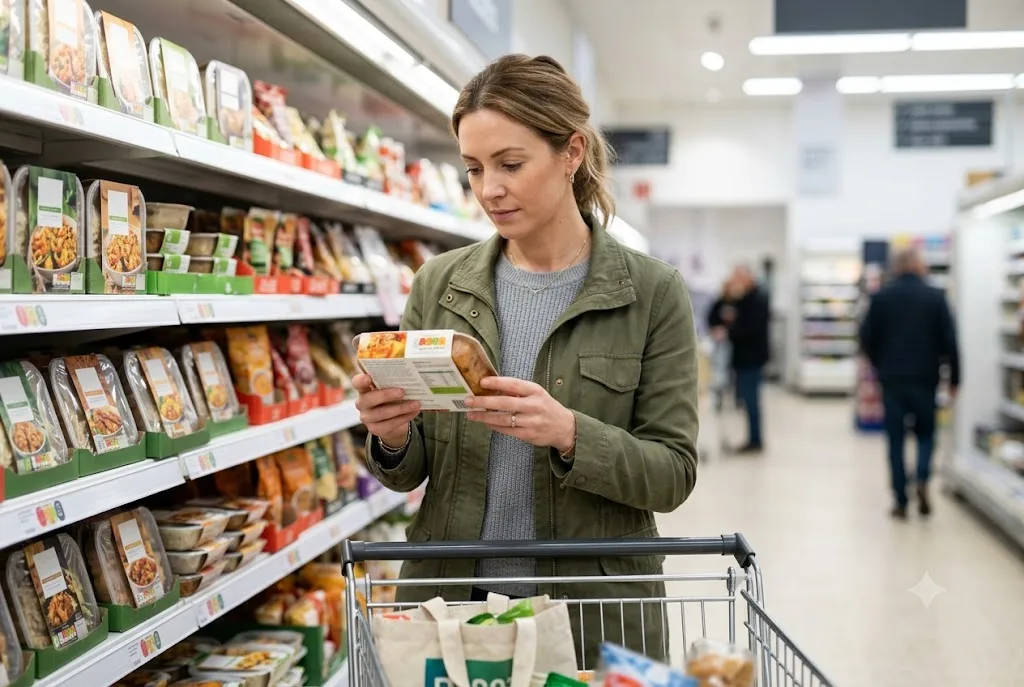
Food Packaging and Labels play an essential role in helping UK consumers make informed purchasing decisions. Whether you’re comparing nutritional values, checking allergen information, or understanding storage instructions, every food package provides valuable details designed to protect consumers and promote transparency. Learning how to read product labeling correctly can help you choose healthier foods, reduce food waste, and better understand exactly what you’re buying.
In the UK, food labels are regulated to ensure consumers receive accurate information about ingredients, nutrition, allergens, and manufacturer details. While packaging may appear straightforward, understanding each section allows shoppers to make more confident choices based on their dietary needs and personal preferences.
Why Food Packaging and Labels Matter
Modern food packaging serves two important purposes. Firstly, it protects food from contamination, damage, and spoilage throughout transportation and storage. Secondly, it provides clear product information that helps consumers understand what they are purchasing.
Effective product labeling supports food safety while also helping people compare similar products. Labels allow consumers to identify allergens, check nutritional values, verify expiry dates, and understand preparation or storage instructions.
If you’re interested in understanding the nutritional information shown on packaging, our guide to Food Facts and Nutrition explains how nutrition information supports healthier eating decisions.
What Information Appears on a Food Package?
Most packaged foods sold in the UK contain several mandatory pieces of information. Although designs differ between brands, the information provided generally follows the same legal requirements.
Product Name
The name clearly identifies the labelled product and tells consumers exactly what the food is.
Ingredients List
Ingredients are listed in descending order by weight. This allows consumers to understand what makes up the product and identify ingredients they may wish to avoid.
Allergen Information
Major allergens such as milk, eggs, peanuts, nuts, gluten-containing cereals, soy, mustard, sesame, fish, shellfish, and sulphites must be clearly highlighted.
Net Weight
The packaging indicates how much product is inside, usually in grams, kilograms, millilitres, or litres.
Storage Instructions
Instructions explain how to store the food safely before and after opening.
Use By or Best Before Date
These dates help consumers understand product freshness and food safety.
Manufacturer Information
The label identifies the responsible food business along with contact details when required.
Understanding Nutrition Information
Nutrition panels help consumers compare products easily. They typically include values per 100g, per 100ml, and sometimes per serving.
Common nutrition information includes:
- Energy (Calories or kJ)
- Fat
- Saturates
- Carbohydrates
- Sugars
- Protein
- Salt
Understanding these values becomes much easier when combined with general nutrition knowledge. Our related guide on Explore Food explains ingredients and healthy food choices in greater detail.
What Are Traffic Light Food Labels?
Traffic light food labels are widely used on packaged foods in the UK to provide a quick visual guide to nutritional content.
The colours indicate whether the food contains low, medium, or high amounts of key nutrients such as:
- Fat
- Saturated fat
- Sugars
- Salt
Generally:
- Green indicates a lower amount.
- Amber indicates a medium amount.
- Red indicates a higher amount.
Traffic light labels help consumers compare similar products without reading every nutritional figure in detail.
Reading a Sample Food Label
A sample food label typically contains several sections working together.
- Product name
- Ingredients list
- Nutrition table
- Allergen declaration
- Storage instructions
- Use by or best before date
- Manufacturer details
- Country of origin where applicable
Reading each section carefully helps consumers understand the overall quality and suitability of a product.
Understanding Product Labeling Claims
Many food packages include marketing claims such as:
- High in protein
- Low fat
- No added sugar
- Source of fibre
- Suitable for vegetarians
- Suitable for vegans
These claims must comply with UK regulations. However, consumers should still review the full nutritional information instead of relying solely on front-of-pack statements.
How Food Packaging Supports Food Safety
Food packaging is designed to maintain product quality throughout the supply chain. Depending on the product, packaging may protect against:
- Moisture
- Light exposure
- Air
- Physical damage
- Bacterial contamination
Proper packaging also helps extend shelf life while reducing food waste.
Environmental Considerations
Sustainability has become increasingly important within the UK food industry. Many manufacturers now use recyclable, compostable, or reusable packaging materials to reduce environmental impact.
Consumers can also support sustainability by following recycling instructions printed on food packaging and disposing of materials correctly.
Tips for Reading Food Labels More Effectively
- Always check allergen information first if you have food allergies.
- Compare nutrition values per 100g rather than per serving.
- Read the full ingredients list.
- Check storage instructions after opening.
- Understand the difference between “Use By” and “Best Before” dates.
- Use traffic light food labels to compare similar products quickly.
Food Packaging and Labels in the UK
UK food businesses must comply with regulations that ensure consumers receive clear, accurate, and honest product information. These rules help maintain confidence in the food supply while supporting public health and consumer protection.
As food manufacturing continues to evolve, packaging also plays an increasingly important role in traceability, sustainability, and transparency. Our upcoming guide on Food Manufacturers UK explores how producers create, package, and distribute food across the country.
Conclusion
Understanding Food Packaging and Labels empowers consumers to make informed choices about the foods they purchase. From ingredients and allergens to nutrition panels and traffic light food labels, every section provides useful information that supports healthier, safer, and more responsible shopping. Taking a few moments to read product labeling carefully can make a significant difference in your dietary choices, food safety, and overall confidence when selecting packaged foods.
