
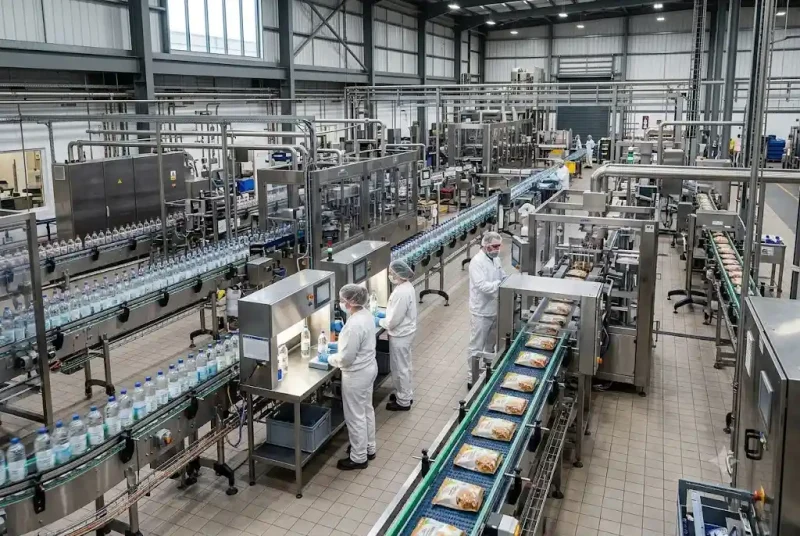

Food and Beverage Manufacturing is one of the UK’s most significant industries, supplying millions of consumers with safe, high-quality products every day. From fresh foods and dairy products to soft drinks, snacks, and ready meals, manufacturers combine innovation, food safety, and efficient production processes to meet growing consumer demand. As eating habits evolve and sustainability becomes increasingly important, the sector continues to invest in new technologies, smarter production methods, and environmentally responsible packaging.
Whether you’re a food business, entrepreneur, supplier, or simply interested in how products reach supermarket shelves, understanding food and beverage manufacturing provides valuable insight into one of Britain’s most dynamic industries.
What Is Food and Beverage Manufacturing?
Food and beverage manufacturing refers to the process of transforming raw agricultural ingredients into finished food and drink products ready for retail, hospitality, wholesale, and export markets.
The industry includes businesses that manufacture:
- Bakery products
- Dairy foods
- Soft drinks
- Bottled beverages
- Frozen foods
- Ready meals
- Breakfast cereals
- Confectionery
- Plant-based foods
- Sauces and condiments
These manufacturers operate under strict food safety standards while continually improving efficiency, quality, and sustainability.
The Importance of Food and Beverage Manufacturing in the UK
The UK’s food and beverage manufacturing sector supports economic growth, employment, and food security. It connects farmers, food producers, logistics providers, retailers, and consumers through an integrated supply chain.
The industry contributes by:
- Producing safe and reliable food supplies.
- Supporting thousands of businesses.
- Creating skilled employment opportunities.
- Driving product innovation.
- Meeting changing consumer preferences.
- Supporting exports to international markets.
Modern manufacturing also focuses on sustainability, resource efficiency, and reducing environmental impact.
How Food and Beverage Manufacturing Works
Although production methods differ depending on the product, most manufacturers follow a structured process.
1. Ingredient Sourcing
Manufacturers purchase ingredients from trusted growers, farmers, fisheries, and approved suppliers while maintaining full traceability.
2. Quality Assurance
Incoming ingredients are inspected to ensure they meet food safety and quality standards before entering production.
3. Food Processing
Ingredients are cleaned, prepared, mixed, cooked, fermented, chilled, frozen, or otherwise processed depending on the finished product.
4. Packaging
Products are packaged using materials that preserve freshness, protect food quality, and provide consumers with essential product information.
To better understand packaging requirements, read our guide on Food Packaging and Labels.
5. Distribution
Finished products are delivered to supermarkets, wholesalers, restaurants, cafés, and retailers throughout the UK.
Food Processing Technologies
Food processing is central to modern manufacturing. It improves food safety, extends shelf life, and ensures consistent product quality.
Common processing methods include:
- Pasteurisation
- Sterilisation
- Fermentation
- Freezing
- Drying
- Baking
- Cooking
- Mixing
- Vacuum packaging
- Modified atmosphere packaging
Advances in automation allow manufacturers to improve productivity while maintaining high quality standards.
Current Trends in Food and Beverage Manufacturing
Sustainable Production
Many businesses are reducing energy consumption, improving water efficiency, and adopting recyclable or reusable packaging to minimise environmental impact.
Health-Conscious Products
Consumers increasingly seek products with lower salt, sugar, and saturated fat, encouraging manufacturers to reformulate recipes and introduce healthier options.
Plant-Based Innovation
Demand for vegetarian and vegan foods has encouraged manufacturers to expand plant-based product ranges across multiple food categories.
Automation and Smart Manufacturing
Modern production facilities increasingly use robotics, sensors, artificial intelligence, and digital monitoring systems to improve efficiency and product consistency.
The Role of Food Producers
Food producers supply the raw materials used by manufacturers. Farmers, fisheries, growers, and agricultural businesses provide fresh ingredients that are transformed into finished consumer products.
This partnership between producers and manufacturers forms the foundation of the UK’s food supply chain.
Why Product Information Matters
Manufacturers are responsible for providing accurate product information that enables consumers to make informed purchasing decisions.
Food packaging typically includes:
- Ingredients
- Nutrition information
- Allergen declarations
- Storage instructions
- Best before or use by dates
- Manufacturer details
Consumers who understand food labels are better equipped to compare products and choose foods that meet their dietary needs. Learn more in our article on Food Facts and Nutrition.
Opportunities Within the Industry
The UK food and beverage manufacturing sector offers opportunities for businesses of all sizes.
Growing areas include:
- Private label manufacturing.
- Health-focused foods.
- Functional beverages.
- Organic food production.
- Sustainable packaging solutions.
- Export-focused manufacturing.
- Contract manufacturing services.
Innovation continues to create new opportunities as consumer preferences evolve.
Challenges Facing Manufacturers
Like many industries, food and beverage manufacturers face several ongoing challenges, including:
- Rising energy costs.
- Supply chain disruptions.
- Labour shortages.
- Changing consumer expectations.
- Regulatory compliance.
- Sustainability targets.
Businesses that invest in technology, workforce development, and efficient production systems are better positioned to respond to these challenges.
The Future of Food and Beverage Manufacturing
The future of Food and Beverage Manufacturing will continue to be driven by digital transformation, sustainable production, healthier products, and increased transparency throughout the supply chain. Manufacturers that embrace innovation while maintaining high food safety standards will remain competitive in both domestic and international markets.
For readers interested in learning more about the companies behind these products, our guide to Food Manufacturers UK explores the organisations responsible for producing and packaging food across Britain.
Conclusion
Food and Beverage Manufacturing remains one of the UK’s most important industries, combining advanced technology, responsible sourcing, food processing expertise, and sustainable practices to supply millions of consumers every day. As the sector continues to evolve, manufacturers will play an increasingly important role in delivering safe, innovative, and environmentally responsible food products that meet the changing needs of consumers and businesses alike.
