
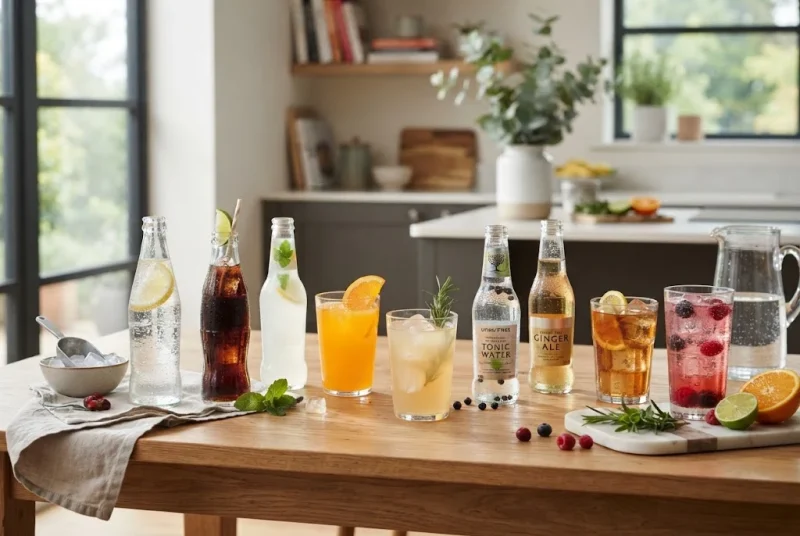

Soft Drinks are a familiar part of everyday life in the UK, ranging from carbonated drinks and fruit juices to flavoured water, energy drinks, squashes and traditional mixers. They are available in supermarkets, cafés, restaurants, vending machines and convenience stores, giving consumers a huge variety of options for different occasions. Understanding the main types of soft drinks can make it easier to compare products and choose something that suits your taste and dietary preferences.
Some people prefer classic fizzy drinks, while others look for low-sugar alternatives, sparkling water, fruit-based beverages or caffeine-free options. With such a broad soft drinks list available, there is no single category that describes every product. The ingredients, sweetness, carbonation, caffeine content and nutritional profile can vary considerably.
What Are Soft Drinks?
Soft drinks are generally non-alcoholic beverages. The category covers a wide range of products, including carbonated drinks, fruit drinks, squashes, flavoured waters, energy drinks, sports drinks and mixers.
The term is broad because two products can look completely different while still being classified as soft drinks. A bottle of sparkling water, for example, has a very different ingredient profile from a sugary cola, while both can be served cold as non-alcoholic refreshments.
Some soft drinks are designed primarily for refreshment, whereas others are marketed around particular characteristics such as energy, hydration, flavour or use as a mixer.
Types of Soft Drinks
There are several major types of soft drinks commonly available in the UK. Knowing the differences can help consumers navigate the large selection found in shops and restaurants.
Carbonated Soft Drinks
Carbonated drinks contain dissolved carbon dioxide, which creates their characteristic fizz. Cola, lemonade, orangeade and many flavoured drinks fall into this group.
Carbonated drinks may contain sugar, sweeteners or a combination of both. Some are sold in full-sugar versions, while others are available in reduced-sugar or no-added-sugar formulations.
Fruit Juices and Fruit Drinks
Fruit juice is made from fruit, although different products can have very different compositions. Fruit drinks and juice-based beverages may contain water, fruit juice, concentrates, flavourings or added ingredients.
Consumers should therefore check the label when comparing products rather than assuming that every fruit-flavoured beverage is equivalent to fruit juice.
Squashes and Cordials
Squashes and cordials are concentrated drinks that are normally diluted with water before consumption. They are popular in British households because a relatively small bottle can make several servings.
Many varieties are available in fruit flavours, and reduced-sugar versions are widely sold.
Flavoured and Sparkling Water
Flavoured water can provide an alternative to conventional fizzy drinks. Sparkling water contains carbonation but may have no added sugar, depending on the product.
These drinks are particularly useful for people who enjoy a fizzy sensation but want a beverage with a simpler ingredient profile.
Energy Drinks
Energy drinks typically contain caffeine and other ingredients such as taurine, B vitamins or sweeteners, depending on the formulation. Because caffeine levels can vary, checking the label is important.
The NHS advises that children should not consume energy drinks because they can contain high levels of caffeine and sugar. ([NHS](https://www.nhs.uk/live-well/eat-well/food-guidelines-and-food-labels/food-and-drinks-high-in-fat-sugar-and-salt/?utm_source=chatgpt.com))
Sports and Isotonic Drinks
Sports drinks are generally formulated for people undertaking physical activity and may contain carbohydrates and electrolytes. They are different from ordinary soft drinks because their intended use is linked more closely to exercise and hydration.
For everyday activities, however, water is generally sufficient for hydration for most people.
Mixers
Mixers include drinks such as tonic water, soda water, ginger ale and other beverages traditionally used alongside spirits. They can also be enjoyed on their own as non-alcoholic drinks.
Many modern mixers are available as standalone soft drinks, making them useful when creating alcohol-free beverages and mocktails.
Soft Drinks Brands Popular in the UK
The UK market contains a large selection of international and British soft drinks brands. Some of the most recognisable names include Coca-Cola, Pepsi, Fanta, Sprite, 7UP, Schweppes, Ribena and Lucozade.
There are also supermarket own-label products, independent brands and specialist beverages. The growing range means consumers can choose between traditional flavours, premium drinks, functional beverages and lower-sugar alternatives.
When comparing soft drinks brands, it is useful to look beyond branding. Ingredients, serving size, sugar, sweeteners, caffeine and price can all differ between products.
Soft Drinks List: Common Choices in the UK
If you are looking for a straightforward soft drinks list, common categories and examples include:
- Cola
- Lemonade
- Orangeade
- Ginger ale
- Tonic water
- Soda water
- Fruit juice
- Fruit drinks
- Squash and cordial
- Flavoured water
- Sparkling water
- Iced tea
- Energy drinks
- Sports drinks
- Milk-based drinks
- Non-alcoholic speciality beverages
This list of soft drinks is not exhaustive because new flavours, formulations and brands appear regularly. It is better viewed as a guide to the major categories available to UK consumers.
Common Soft Drinks and Sugar Content
One of the biggest differences between common soft drinks is their sugar content. Traditional full-sugar fizzy drinks can contribute significant amounts of free sugar to the diet, especially when consumed frequently or in large portions.
The NHS recommends that adults and children aged 11 and over have no more than 30g of free sugars per day. For children aged 7 to 10, the recommended maximum is 24g, while children aged 4 to 6 should have no more than 19g. ([NHS](https://www.nhs.uk/live-well/eat-well/food-guidelines-and-food-labels/how-does-sugar-in-our-diet-affect-our-health/?utm_source=chatgpt.com))
Because sugar levels vary considerably, checking the nutrition panel is more reliable than judging a beverage simply by its flavour or brand.
Low-Sugar and No-Sugar Soft Drinks
Many manufacturers now offer reduced-sugar and no-sugar versions of familiar drinks. These products may use low-calorie sweeteners instead of some or all of the sugar found in conventional formulations.
For consumers trying to reduce their sugar intake, these options can provide an alternative to full-sugar versions. However, the overall nutritional profile still matters. A no-sugar drink is not necessarily equivalent to water, and people should consider the rest of their diet as well.
The NHS recommends choosing water, lower-fat milk or sugar-free drinks as healthier drink options, while limiting sugary beverages. ([NHS](https://www.nhs.uk/live-well/eat-well/food-guidelines-and-food-labels/water-drinks-nutrition/?utm_source=chatgpt.com))
What Are the Soft Drinks with Caffeine?
Some soft drinks contain caffeine, while others are caffeine-free. Cola drinks and energy drinks are common examples of caffeinated beverages, although caffeine content differs between products.
When choosing caffeinated drinks, check the label for the amount per serving and consider how much caffeine you consume from other sources such as coffee, tea and chocolate.
This is particularly important for children and teenagers. The NHS advises that children should not consume energy drinks because of their caffeine and sugar content. ([NHS](https://www.nhs.uk/live-well/eat-well/food-guidelines-and-food-labels/food-and-drinks-high-in-fat-sugar-and-salt/?utm_source=chatgpt.com))
Soft Beverages List for Different Occasions
A useful soft beverages list can be organised according to the occasion rather than simply by product type.
For Everyday Meals
Water, sparkling water, sugar-free drinks and suitable fruit-based beverages can accompany everyday meals. The best option depends on personal preferences and dietary requirements.
For Parties
When preparing a party table, offer several choices so guests can select what they prefer. Sparkling water, lemonade, cola, fruit drinks and juices can provide variety.
For larger gatherings, drinks can be placed separately from the main food table. This keeps serving areas less crowded and works particularly well with the meal sharing ideas and party platters covered elsewhere on OceanFeed.
For Outdoor Events
Cold bottled water, sparkling water and suitable soft drinks can be convenient for picnics, barbecues and outdoor gatherings. Keep perishable beverages appropriately chilled and consider reusable options where practical.
For Mocktails
Soda water, tonic water, ginger ale, lemonade and fruit juices can form the base of simple alcohol-free drinks. Fresh fruit, herbs and ice can add flavour without requiring complicated ingredients.
Cool Drinks List for Summer
If you are creating a cool drinks list for warm weather, consider beverages that are refreshing and easy to serve. Sparkling water with citrus, chilled fruit drinks, homemade iced tea and sugar-free fizzy drinks can all provide variety.
Water should remain an important option, particularly during hot weather or physical activity. The NHS notes that water and other suitable drinks contribute to daily fluid intake. ([NHS](https://www.nhs.uk/live-well/eat-well/food-guidelines-and-food-labels/water-drinks-nutrition/?utm_source=chatgpt.com))
For events, it can be useful to provide drinks at different sweetness levels. Some guests may prefer a full-flavoured fizzy drink, while others may choose water or a no-sugar alternative.
How to Choose Soft Drinks
There is no single soft drink that is right for everyone. Instead, consider why you are buying the beverage and what you want from it.
- Check sugar: Compare the amount per 100ml and per serving.
- Check caffeine: This is especially important for children and people who are sensitive to caffeine.
- Check serving size: A large bottle can contain several servings.
- Read ingredients: Look for allergens and ingredients relevant to your dietary needs.
- Consider frequency: Sugary drinks are better treated as occasional choices rather than everyday hydration.
- Compare alternatives: Water and sugar-free options can reduce sugar intake.
Reading labels is particularly useful because two drinks within the same category can have very different nutritional values.
Soft Drinks and a Balanced Diet
Soft drinks can be enjoyed as part of an overall eating pattern, but sugary beverages can make it easy to consume more free sugar than intended. This is why frequency and portion size matter.
The wider diet should include a variety of foods rather than relying heavily on drinks or convenience products. OceanFeed’s guides to food facts and nutrition and food selection factors provide related information for readers who want to understand everyday food choices.
For people planning meals around groups, drinks should also complement the food rather than replace it. A selection of non-alcoholic beverages can sit alongside balanced meals and sharing boards and party platters.
Are All Fizzy Drinks the Same?
No. Carbonation is simply one characteristic of a beverage. Two fizzy drinks can have very different levels of sugar, caffeine, acidity, calories and other ingredients.
Sparkling water, for example, may contain little more than water and carbon dioxide, while a traditional cola can contain sugar or sweeteners, flavourings, acids and caffeine depending on the formulation.
Consequently, describing something simply as a “fizzy drink” does not tell you enough about its nutritional profile.
Soft Drinks Trends in the UK
The UK soft drinks market continues to offer consumers more choice, particularly around reduced sugar, no-sugar, functional and premium products. Manufacturers have developed alternatives to traditional full-sugar beverages while maintaining familiar flavours.
There is also increasing interest in drinks that offer a particular experience, such as botanical flavours, sparkling water, speciality mixers and alcohol-free alternatives.
For consumers, greater choice can be useful, but it also makes label reading more important. Marketing language does not provide the complete nutritional picture.
Soft Drinks for Parties and Group Dining
When organising a group meal, a varied drinks selection can make the occasion more inclusive. Offer water alongside several flavoured options and, where appropriate, include both full-sugar and lower-sugar choices.
Keep drinks accessible but separate from hot food and dishes that require serving. This makes it easier for guests to help themselves without creating congestion around the main table.
For more ideas on organising group food and drinks together, see our guide to Meal Sharing Ideas.
Final Thoughts on Soft Drinks
Soft Drinks cover a remarkably broad range of beverages, from cola and lemonade to sparkling water, fruit drinks, squashes, energy drinks and mixers. The large selection means there are options for almost every taste and occasion.
When choosing between soft drinks brands, focus on more than flavour and packaging. Sugar, caffeine, serving size, ingredients and frequency of consumption all matter. Water and lower-sugar options can be useful everyday choices, while sugary drinks can be enjoyed less frequently as part of a balanced diet.
Whether you need a simple list of soft drinks for a party, ideas for a summer drinks table or information about different beverage categories, understanding the differences between products makes the enormous UK selection easier to navigate.
For more food and drink inspiration, explore OceanFeed’s food resources and related guides covering nutrition, British food and meal planning.
