
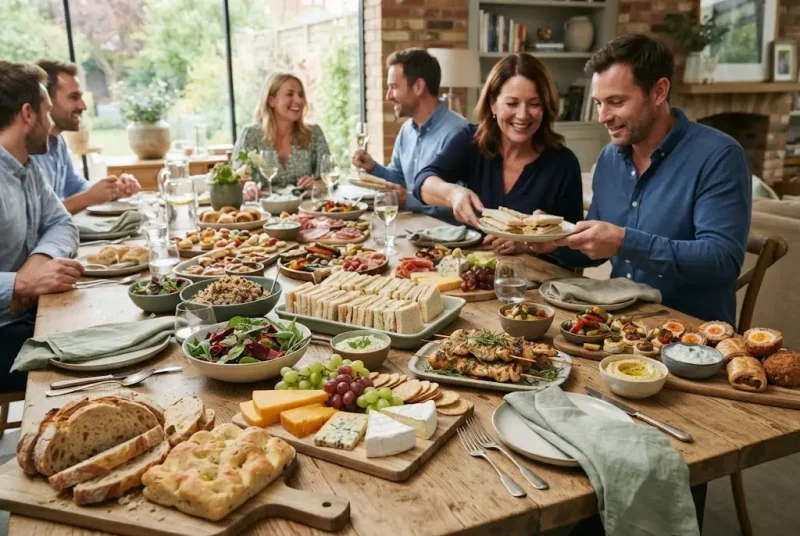

Looking for practical Meal Sharing Ideas that make a gathering feel relaxed, generous and easy to organise? Sharing meals are ideal for birthdays, family get-togethers, office events, casual dinners and weekend celebrations because guests can choose what they like without waiting for individually plated courses. From party food trays and colourful sharing platters to simple buffet-style arrangements, the right setup can turn an ordinary meal into a social occasion.
The best approach is to offer variety without making the table unnecessarily complicated. A mixture of familiar favourites, lighter options, vegetables, dips, breads and suitable drinks gives guests plenty of choice while keeping serving straightforward. OceanFeed UK’s wider food coverage also explores topics such as food facts and nutrition, helping readers think about variety and balance when planning meals.
Why Meal Sharing Ideas Work So Well for Groups
Sharing food changes the way people interact around a table. Instead of everyone receiving an identical plate, guests can take smaller portions of different dishes, return for favourites and try something new. This makes shared dining particularly useful when a group includes different tastes or appetites.
It can also reduce pressure on the host. Rather than preparing a separate main course, side dish and serving arrangement for every person, a collection of well-planned dishes can be placed in the centre of the table. Guests then serve themselves at a comfortable pace.
This style of dining works especially well for informal British gatherings, where people may prefer a relaxed atmosphere rather than a formal multi-course dinner.
Build a Balanced Food Table Party
A successful food table party does not need dozens of dishes. Instead, aim for a useful combination of flavours, textures and portion sizes. Start with one or two substantial centrepieces, then add supporting foods that can be eaten easily without complicated preparation.
For example, a party table could include:
- Roast or grilled chicken pieces
- Mini sausages or other bite-sized savoury items
- Sandwiches or wraps cut into small portions
- Cheese and crackers
- Fresh vegetables and salad
- Hummus, dips and sauces
- Bread, rolls or flatbreads
- Roasted or fresh potatoes
- Fruit and lighter desserts
This approach gives guests the freedom to create their own combinations. It is also easier to adapt when someone has a particular preference, provided ingredients and allergens are clearly considered.
Party Food Trays for Easy Serving
Party food trays are one of the simplest ways to organise food for a larger group. Instead of putting every item into a separate serving dish, similar foods can be arranged together on large trays. This creates a visually appealing spread while making the table easier to manage.
A savoury tray might combine sliced meats, chicken pieces, cheese, bread and vegetables. Another tray could focus on hot foods, while a separate platter provides fresh or lighter choices. Keeping different food types organised also makes it easier for guests to understand what is available.
When planning food trays for parties, consider how easily each item can be picked up or served. Bite-sized portions, sliced foods and individual pieces are generally more convenient than dishes that require extensive carving or complicated serving.
Sharing Platters for Different Occasions
Sharing platters can be adapted to almost any type of gathering. For a family lunch, a large roast chicken platter with potatoes, vegetables and sauces can become the centrepiece. For a casual evening, a combination of breads, cheeses, cured meats, dips and vegetables may be more appropriate.
A children’s gathering may benefit from familiar foods served in smaller portions, while an adult dinner can include more adventurous combinations. For business events, neat individual portions are often easier to handle because guests may be standing, moving around or networking.
If you are exploring British food more broadly, OceanFeed UK’s guide to British delicacies can provide further inspiration for incorporating familiar UK favourites into a shared spread.
How to Plan Food Trays for Parties
Before buying ingredients, estimate the number of guests and think about when the food will be served. A gathering lasting several hours may need more variety than a short afternoon get-together.
Choose a Main Centrepiece
Begin with one substantial dish that gives the meal structure. This could be roast chicken, a large savoury pie, a baked pasta dish, sandwiches or another crowd-friendly option.
Add Complementary Sides
Once the main item is selected, add foods that provide contrast. Fresh salad, vegetables, bread, dips and sauces can balance richer dishes and give guests more ways to build their plates.
Include Different Textures
A good shared table should not feel like several versions of the same food. Combine crisp, creamy, soft, crunchy and fresh elements where appropriate. Texture can make even a relatively simple spread feel more interesting.
Keep Portions Manageable
Smaller pieces are often more practical for group dining. Guests can sample several foods without filling their plates with a large serving of one item. This is particularly useful when you want people to try several dishes.
Meal Sharing Ideas for Family Gatherings
Family meals benefit from familiar foods that can be customised. A tray of roasted chicken, potatoes and vegetables can work well because each person can select the foods they prefer. Sandwich platters, wraps and homemade pizzas are other flexible choices.
For larger family occasions, consider creating separate hot and cold sections. Hot foods can be replenished as needed, while cold platters can remain available for longer periods when handled safely.
Planning should also account for different dietary preferences. Vegetarian options, lighter dishes and clearly identified ingredients can help ensure that everyone has something suitable to enjoy.
Meal Sharing Ideas for Parties and Celebrations
Celebrations often work better when guests can eat at their own pace. Rather than designing the entire event around a single formal meal, create several areas where people can help themselves.
A practical celebration spread could include a main savoury tray, a sandwich or wrap platter, a vegetable and dip board, a selection of sides and a dessert tray. Drinks can be positioned separately so the main food area does not become overcrowded.
For larger events, it is also useful to label dishes where ingredients may not be immediately obvious. This is particularly important when guests need to avoid specific allergens.
How to Make a Food Party Table Look Inviting
Presentation matters, but it does not require expensive equipment. Use different-sized serving dishes and trays to create visual variation. Place taller dishes towards the back and smaller plates towards the front so guests can see the full selection.
Keep colours varied by combining green vegetables, colourful fruit, breads, cheeses and cooked foods. Garnishes should support the food rather than overwhelm it.
It is also worth leaving enough space between dishes. An overcrowded table may look generous at first, but it can make serving difficult. A little empty space can make the overall arrangement feel more organised.
Make Sharing Meals Easier for Hosts
The biggest advantage of sharing meals is flexibility, but good preparation makes the experience even easier. Choose dishes that can be prepared partly in advance, then finish or assemble them shortly before guests arrive.
Use serving utensils that match the food. Tongs work well for sandwiches and roasted foods, while spoons are more suitable for salads, dips and side dishes. Keep extra plates, napkins and cutlery nearby so guests do not need to search around the room.
Food safety should also remain a priority. The UK Food Standards Agency provides guidance covering food hygiene, allergens, labelling and food safety procedures.
Consider Nutrition When Planning a Shared Meal
Shared dining does not have to mean an exclusively indulgent spread. Including vegetables, fruit, wholegrain options and suitable protein sources can create a more varied meal.
OceanFeed UK’s existing Explore Food guide and food selection guide can also help readers think about ingredients, preferences and everyday food choices when putting together a menu.
For nutrition information, the NHS recommends choosing a range of foods and including protein sources such as beans, pulses, fish, eggs and meat as part of a balanced diet.
Common Mistakes to Avoid with Party Food Trays
One common mistake is preparing too many similar foods. Five varieties of sandwiches may offer less useful choice than a smaller selection that includes vegetables, protein, bread, dips and something sweet.
Another issue is forgetting how guests will actually eat. Foods requiring knives, complicated serving utensils or extensive preparation can slow down a relaxed gathering. Choose practical portions whenever possible.
Finally, avoid leaving food safety until the last minute. Perishable foods should be handled and stored appropriately, and guests should be able to identify dishes containing common allergens.
Meal Sharing Ideas That Work for Almost Any Gathering
The most useful Meal Sharing Ideas are those that combine variety with simplicity. A thoughtfully arranged table can include substantial centrepieces, easy-to-eat portions, fresh sides, dips, breads and desserts without becoming difficult to manage.
Whether you are hosting a family celebration, preparing food for friends or arranging a casual business gathering, sharing platters allow people to eat at their own pace and choose what suits them. By planning around the number of guests, the length of the event, dietary needs and practical serving requirements, you can create a food table that feels generous without creating unnecessary work.
For further food inspiration, explore OceanFeed UK’s Food & Beverage articles, including content covering nutrition, British food, meal options and wider food-related topics.
Final Thoughts
Good group dining is less about having the biggest table and more about offering the right combination of foods. Party trays, sharing boards and flexible portions make it easier for guests to discover different flavours while keeping the host’s workload manageable. With thoughtful planning, practical serving choices and attention to food safety, a well-designed shared table can make almost any UK gathering more enjoyable.
