
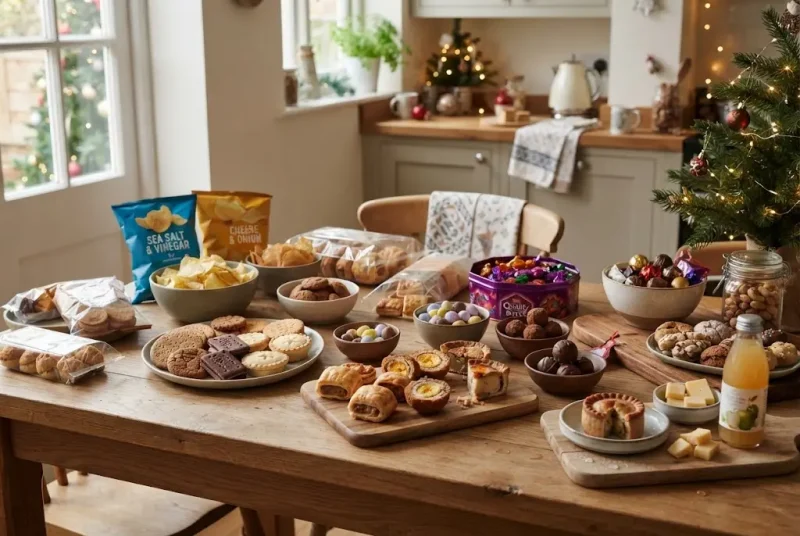

Snacks UK shoppers can choose from a huge variety of sweet, savoury, chilled and hot treats. From familiar British favourites to mini snacks and convenient options for busy days, snacking is part of everyday food culture across the country. Whether you are looking for something to enjoy with a cup of tea, a quick bite between meals or a selection for a celebration, there is no shortage of choice.
The range of snacks in UK shops has also expanded considerably. Alongside traditional British products, supermarkets and independent retailers now offer foods influenced by cuisines and food cultures from around the world. This means that shoppers can easily mix familiar favourites with new flavours and ingredients.
Understanding the different types of snacks available can make it easier to choose products for everyday eating, parties, packed lunches and seasonal occasions. It also helps to consider storage, portion sizes and how a snack fits into your overall diet.
What Makes Snacks UK So Popular?
One reason snacks in UK households remain popular is convenience. A snack can require little or no preparation, making it useful when you are hungry between meals or need something quick while working, studying or travelling.
British snacking habits also cover a wide range of tastes. Some people prefer biscuits and chocolate, while others choose crisps, savoury pastries, nuts, fruit or chilled foods. This variety means that there is no single definition of what makes a good snack.
Portability is another important factor. Individually wrapped products and smaller portions can be useful for lunchboxes, journeys and days away from home. At home, larger packets may be more suitable for sharing.
Popular Snacks in UK Shops
The selection of popular snacks in UK shops includes many familiar categories. Crisps and other savoury snacks are common choices, particularly when people want something crunchy. Biscuits and chocolate are popular when a sweeter option is preferred.
There are also snacks based around nuts, seeds, dried fruit, cereal and other ingredients. These products can offer different textures and flavours from traditional confectionery and crisps.
When choosing packaged snacks, it is worth checking the nutrition information and serving size. A product marketed as a snack can vary considerably in its nutritional content, so reading the label provides a clearer picture of what you are buying.
Snacks from UK Brands and Traditional Favourites
Snacks from UK brands can range from long-established products to newer creations. Some have become closely associated with British food culture, while others reflect changing tastes and demand for different ingredients.
Traditional snacks can be particularly appealing when creating a British-themed food selection or sending a food parcel to someone overseas. A mixture of sweet and savoury products can give recipients the opportunity to try several familiar flavours.
If you are creating a broader food gift, you can also combine British snacks with other products. Our guide to food gifts explores different ways to choose food-based presents around individual tastes and occasions.
Mini Snacks for Lunches and Everyday Eating
Mini snacks can be useful when you want a smaller portion or several different options throughout the day. Smaller biscuits, bite-sized savoury products, individual chocolate treats and mini versions of familiar snacks can all fit into this category.
They are particularly convenient for lunchboxes and sharing platters. Instead of opening one large product, individual or small portions can make it easier to control how much is served.
For children, portion size and ingredients should be considered carefully. Parents and carers should also check allergen information, especially when snacks are being shared at school, parties or group activities.
Hot Snacks for Quick Comfort Food
Hot snacks provide a different experience from packaged foods that can be eaten straight away. Toasted sandwiches, savoury pastries, potato-based foods and other warm items can work well when you want something more substantial.
Some hot snacks require an oven or air fryer, while others can be prepared in a microwave or frying pan. Always follow the manufacturer’s cooking instructions, particularly for frozen or chilled products.
Hot snacks can also be useful for gatherings. Small savoury pastries, baked bites and similar foods can be arranged on a sharing platter and served warm. If you are planning a larger food selection, balancing hot items with cold and room-temperature snacks can create more variety.
Snacks for Fridge Storage
Not every snack belongs in the kitchen cupboard. Some foods need refrigeration to maintain quality and food safety. Snacks for fridge storage can include certain dairy products, prepared foods, dips, chilled desserts and other perishable items.
Always follow the storage instructions printed on the packaging. A product that needs refrigeration should not simply be treated like an ambient snack because it is convenient to keep nearby.
Fridge snacks can be useful when you want something ready to eat without cooking. Keeping a small selection available can make it easier to choose something between meals while avoiding unnecessary preparation.
Choosing Snacks for Different Occasions
The right snack depends partly on when and where it will be eaten. For a workday, individually portioned products can be practical because they are easy to carry. For a movie night, larger sharing packets may be more appropriate.
This For parties, consider a mixture of flavours, textures and portion sizes. A selection of sweet and savoury products gives guests more choice than a table containing only one type of food.
For travel, portability becomes particularly important. Products that are individually wrapped and do not require refrigeration may be easier to transport, although food safety requirements should always be considered when carrying perishable foods.
Christmas Holiday Snacks for Festive Gatherings
Christmas holiday snacks are a familiar part of seasonal entertaining in the UK. During the festive period, households often have additional biscuits, chocolates, savoury snacks and other treats available for family members and visitors.
Christmas is also a good opportunity to experiment with themed food selections. You might combine traditional festive products with new snacks that guests have not tried before.
If you are buying snacks for a gathering, think about how many people will attend and whether anyone has allergies or dietary requirements. Providing a mixture of options can help ensure that guests have something suitable to enjoy.
How to Build a Balanced Snack Selection
A good snack selection does not need to consist entirely of indulgent treats. You can combine different types of food depending on your preferences and the occasion.
For example, a home snack cupboard might contain a mixture of fruit, nuts, crackers, biscuits and other packaged foods. A party table could combine savoury bites with fresh produce and sweet treats.
Portion awareness can also make a difference. Rather than eating directly from a large packet, serving a smaller amount onto a plate or bowl can make it easier to see how much you are eating.
Variety is useful too. Rotating different snacks prevents the same products from becoming repetitive and gives you an opportunity to explore new flavours.
Reading Snack Labels
Food labels can help you compare snacks more accurately. Look at serving sizes, energy, fat, sugars, salt and other nutritional information where provided. Remember that the stated serving size may not always correspond to the amount you personally eat.
Ingredients and allergen information are particularly important for anyone with food allergies or dietary restrictions. If you are buying snacks for another person, do not assume that a familiar product is automatically suitable. Check the current packaging before serving it.
Storage information is equally important for chilled products and other foods that require particular conditions. Following the label helps maintain food quality and safety.
Snacks and Convenient Meal Options
Snacks are not always separate from convenient meals. Some people keep quick foods available for occasions when they do not have time for a full cooking session. Instant noodles, for example, can provide a warm option when a simple meal is needed.
You can explore our guide to instant noodles for more information about noodle flavours, noodles pots and convenient packet meals. For occasions when you want something more substantial without preparing everything yourself, prepared meals delivered can provide another convenient option.
The distinction between a snack and a meal ultimately depends on the food, portion and context. What matters most is choosing an option that fits your needs at the time.
Exploring the Best UK Snacks for You
There is no universal answer to which are the best UK snacks. Personal taste plays a major role, and preferences can vary according to age, occasion, dietary needs and even the time of day.
Instead of focusing on a single list of favourites, consider building your own selection across several categories. You might choose a few traditional British snacks, some mini snacks for convenience, a couple of hot options and several chilled products.
This approach creates variety while allowing you to discover which flavours and formats you actually enjoy. It can also make shopping easier because you have several categories to choose from rather than looking for one specific product.
Final Thoughts on Snacks UK
Snacks UK shoppers have an enormous range of choices, from traditional British favourites and mini snacks to hot snacks, chilled foods and seasonal treats. The best selection depends on the occasion, personal preferences, storage requirements and dietary needs.
Whether you are stocking the kitchen, preparing a party, filling lunchboxes or planning Christmas holiday snacks, variety can make the experience more enjoyable. Mixing familiar products with something new can also introduce different flavours without abandoning the snacks you already love.
By checking labels, considering portion sizes and storing foods correctly, you can make more informed choices while still enjoying the convenience and variety that modern snacking provides.
