
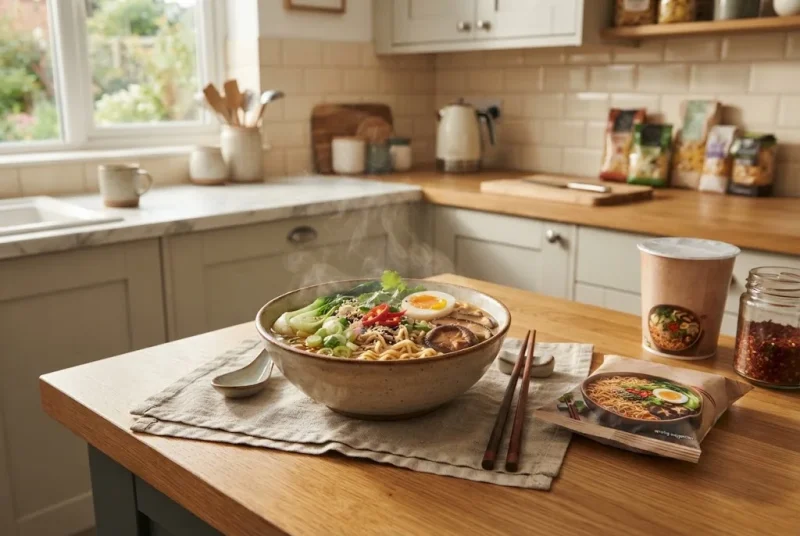

Instant noodles have become a practical cupboard staple for people who want a quick meal without spending a long time preparing food. From classic noodle flavours and branded noodles to convenient noodles pots, there are plenty of options for busy lunches, simple evening meals and quick snacks. They also sit alongside other convenient foods such as packet pasta, pasta n sauce and pasta and sauce packets.
The appeal is straightforward: add the noodles or pasta to hot water, follow the cooking instructions and have a warm meal ready in a short time. However, the wide range of products available means it is worth looking beyond convenience alone. Flavour, portion size, ingredients, storage, preparation method and what you add to the meal can all make a difference.
Why Instant Noodles Are So Convenient
Convenience is the main reason many people keep instant noodles at home. They are generally easy to store, simple to prepare and useful when there is little time for cooking. A packet can also be kept in a kitchen cupboard until needed, making it a practical option for students, busy workers, travellers and households looking for straightforward meal choices.
Unlike meals that require several fresh ingredients, instant noodles usually come with the noodles and seasoning together. Some varieties are supplied in individual packets, while others come in a ready-to-use container known as a noodles pot. The latter can be particularly useful when you want a quick lunch at work or a simple meal while travelling.
Convenience does not mean that every packet needs to be eaten exactly as supplied. Instant noodles can also act as a base for a more substantial meal when combined with vegetables, eggs, beans, cooked meat or other suitable ingredients.
Choosing Between Different Noodle Flavours
One of the most noticeable differences between products is the variety of noodle flavours. Depending on the brand, shoppers may find options inspired by spicy, savoury, aromatic or mild flavour profiles. Some people prefer familiar flavours, while others use instant noodles as an inexpensive way to experiment with different seasonings.
Branded noodles can also vary considerably in texture, seasoning strength and portion size. When choosing between products, checking the packaging can help you understand what you are buying rather than selecting a product based solely on its flavour name.
If you prefer a milder meal, look for a less strongly seasoned variety and adjust the amount of seasoning used during preparation. For those who enjoy stronger flavours, chilli, garlic, spring onions or herbs can be added after cooking.
How to Make Instant Noodles More Interesting
A packet of noodles does not have to remain a basic meal. Simple additions can change the texture, flavour and overall character of the dish without turning it into a complicated recipe.
Add Vegetables
Vegetables such as peas, sweetcorn, mushrooms, peppers, carrots, spinach and spring onions can work well with noodles. Fresh vegetables can be prepared alongside the noodles, while frozen vegetables can be useful when speed is the priority.
Add a Protein Source
An egg, beans, pulses, tofu or cooked meat can make a noodle-based meal more substantial. The best choice depends on dietary preferences and what is already available in your kitchen.
Adjust the Seasoning
You can also customise noodles with ingredients such as garlic, ginger, chilli, herbs or a small amount of sauce. This approach allows one basic product to produce several different meals instead of tasting exactly the same every time.
Noodles Pots for Work, Travel and Quick Lunches
A noodles pot is designed around convenience. Rather than preparing the food in a saucepan, the noodles are supplied in a container that can be used for preparation according to the manufacturer’s instructions. This makes them particularly appealing for workplaces, university accommodation and situations where access to a full kitchen is limited.
Even with convenient products, always follow the preparation instructions on the packaging. Cooking times and water requirements can differ between products, so assuming that every noodles pot works in exactly the same way can lead to poor results.
For packed lunches, it is also important to consider where the product will be prepared and whether hot water or another suitable cooking method is available. Convenience foods work best when they fit naturally into the environment in which you intend to use them.
Instant Noodles and Packet Pasta: What’s the Difference?
Instant noodles are not the only quick cupboard option. Packet pasta and pasta products designed with accompanying sauces can provide another convenient route to a warm meal.
Products described as pasta n sauce, pasta and sauce packets or pasta in a packet are designed to combine pasta with a prepared seasoning or sauce. Like instant noodles, they can reduce the number of ingredients needed for a quick meal.
For shoppers who enjoy pasta more than noodles, these products can be a useful alternative. The preparation method varies by product, so check whether the packet requires boiling, microwaving or another cooking method before buying it for a particular situation.
Cheese and Broccoli Pasta Packet Ideas
A cheese and broccoli pasta packet is another example of a convenient meal built around a familiar combination. Cheese provides a creamy, savoury character, while broccoli adds a vegetable element and a different texture.
Products described as cheese and broccoli pasta n sauce or cheese broccoli pasta packet can be useful when you want something quick but prefer a pasta-based meal. You can also add extra broccoli, peas or another vegetable if you have them available.
When comparing these products, read the nutrition information and ingredient list. The NHS advises that meals should generally be based around starchy foods while including a variety of fruit and vegetables and suitable protein foods as part of a balanced diet. The NHS guidance on starchy foods and carbohydrates provides further information about pasta and other starchy foods.
Making Convenient Meals Part of a Balanced Diet
Instant noodles and packet meals can be convenient, but convenience should not mean relying on one type of food for every meal. A varied diet can include different starchy foods, vegetables, fruit, protein sources and dairy or suitable alternatives.
One easy approach is to treat a convenient noodle or pasta product as the base of a meal and add ingredients from other food groups. For example, noodles with mixed vegetables and an egg can provide more variety than noodles alone. Similarly, packet pasta can be served with additional vegetables and a suitable protein source.
Food labels are useful when comparing products. Look at serving sizes and nutrition information, particularly if you regularly eat packaged meals. The NHS recommends choosing higher-fibre or wholegrain versions of starchy foods where possible and considering the overall balance of the diet rather than focusing on one food in isolation.
When Instant Noodles Make Sense
There are plenty of situations where instant noodles are a practical choice. They can be useful for a quick lunch, an easy evening meal, a late-night snack or a cupboard backup when there is little time to cook. Their long storage life and simple preparation also make them convenient for households that want a few emergency meal options available.
They can also be helpful when planning a broader selection of convenient foods. For example, you might keep instant noodles, packet pasta, canned foods and other cupboard staples available so that you have several options rather than depending on one product.
If you are looking for more convenient meal inspiration, you can also explore prepared meals delivered for situations where cooking from scratch is not practical. For lighter browsing and snack ideas, related topics such as Snacks UK can help expand your list of quick food options.
What to Look for When Buying Instant Noodles
Before buying a new product, consider how you plan to use it. If it is for a work lunch, a noodles pot may be more convenient than a packet that requires a saucepan. If you are stocking the cupboard for occasional use, compare packet sizes, storage instructions and preparation methods.
Flavour is another obvious consideration, but it is not the only one. Check the ingredient list, nutrition information, portion size and cooking instructions. If you have allergies or dietary requirements, carefully read the allergen information and product packaging before eating the food.
It is also worth considering what you already have at home. A simple packet of noodles can become more versatile when you have vegetables, eggs, herbs or other suitable ingredients available. This can help prevent convenient food from becoming repetitive.
Final Thoughts on Instant Noodles
Instant noodles remain popular because they solve a simple problem: providing a warm, easy-to-prepare meal when time and cooking facilities are limited. With different branded noodles, noodle flavours and noodles pots available, shoppers can choose products that fit different tastes and situations.
They can also sit comfortably alongside packet pasta and other convenient cupboard foods. Whether you choose classic noodles, pasta n sauce or a cheese and broccoli pasta packet, the key is to consider the product as part of your wider eating pattern.
With thoughtful additions such as vegetables and suitable protein foods, convenient noodles and pasta can become more varied meals. Check the packaging, follow preparation instructions and choose products that fit your own dietary needs and preferences. For anyone building a practical food cupboard, these quick options can provide useful flexibility without requiring complicated preparation.
