
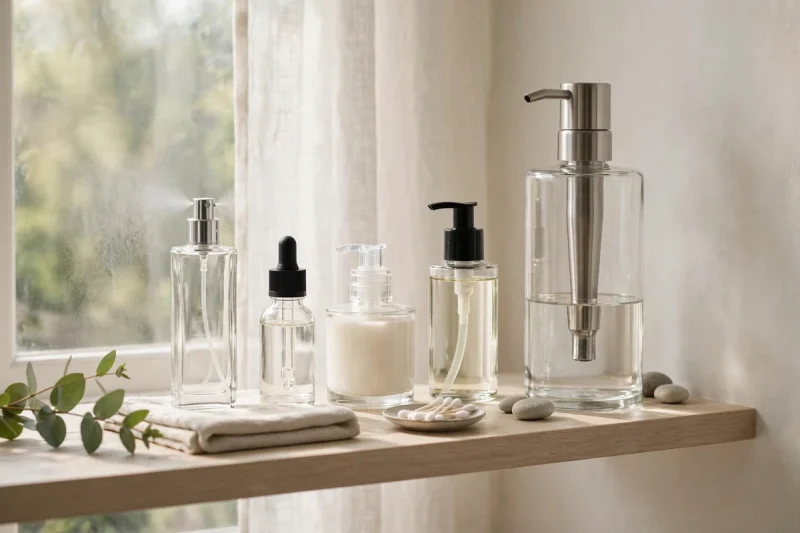

Refillable beauty products have moved from a niche eco experiment to a normal part of many UK bathroom shelves. Instead of throwing away a finished bottle and buying a whole new one, you keep a durable outer container and replace only the product inside. For shoppers who enjoy their skincare and makeup but dislike the pile of empty packaging that comes with it, refills offer a practical middle path: the same formulas you like, with far less waste each time you run out.
The idea is simple, but the details matter. Not every refill system works the same way, not every product suits refilling, and a refill only helps the environment if you actually keep using the container. This guide explains how refillable skincare, refillable cosmetics and refillable makeup work, what to look for when buying them, and how to get the most from a refill routine at home.
What Are Refillable Beauty Products?
A refillable beauty product is sold in two parts: a long-lasting outer case, bottle or jar, and a replaceable inner refill that holds the actual cream, serum, foundation or fragrance. When the product runs out, you swap the inner part and keep the outer one. Some brands sell refills in lightweight pouches or cartridges; others use inner cups that click into a reusable jar, or aluminium bottles designed to be topped up again and again.
Refill systems are now common across most beauty categories. Skincare leads the way, with refillable moisturisers, cleansers and serums widely available. Refillable makeup has caught up quickly too — lipstick cases, cushion foundations and powder compacts are often designed to be kept for years. Even refillable perfume bottles have become a familiar sight, with many fragrance houses offering refill stations or at-home refill bottles for their best-known scents.
Why Refills Appeal to UK Shoppers
The most obvious benefit is less packaging waste. A sturdy glass or metal container that lasts for years replaces a stream of single-use plastic bottles. That matters to anyone who has read about microplastics in cosmetics and the wider impact beauty packaging has on waterways and seas. Choosing products designed to be kept and refilled is one of the simplest habits behind ocean friendly beauty, because it cuts waste before it is created rather than relying on recycling afterwards.
Cost is the second attraction. The first purchase of a refillable product usually costs more, because you are paying for a container built to last. After that, refills are often cheaper than buying the standard version again, since you are not paying for new packaging every time. Over a year of regular use, regular buyers of a favourite moisturiser or foundation can save a noticeable amount — while also keeping a shelf that looks calmer and less cluttered.
There is also a quality angle. Brands tend to launch refill systems on their most popular products, and the outer packaging is usually better made than standard packaging. As the UK beauty industry has shifted towards more sustainable ranges, refillable formats have become a marker of a product a brand expects you to keep buying for years.
The Main Types of Refill System
Click-in inner cups and pods. Common with moisturisers and night creams. The inner cup lifts out and a fresh one clicks into the same jar. This design keeps the product sealed until use and is easy to handle.
Refill pouches. Flexible pouches top up bottles of shampoo, hand wash, cleanser or body lotion. They use less material than a new bottle, though they are not recyclable everywhere, so check local guidance.
Cartridge and case systems. Lipsticks, brow pencils and solid perfumes often use a metal or heavy-duty case with a replaceable cartridge. This is where luxury beauty brands have led: the case becomes an accessory you keep, and the refill costs less than the original product.
Refill stations and large refill bottles. Some perfumes and haircare products come with a bigger refill bottle that fills the original several times. These offer the best value per refill but need careful pouring and clean storage.
How to Choose Refillable Products That Suit You
Start with products you already use up completely and regularly — a daily moisturiser, your usual foundation, a favourite hand wash. A refill system only pays off, financially and environmentally, when the container stays in use. There is little benefit in a beautiful refillable jar for a cream you abandon after a month.
Check that refills are easy to buy. Before committing, confirm the refill is stocked where you normally shop and that it is clearly cheaper than the standard product. It also helps to pick products from the ranges you already trust; our guide to the best beauty products explains how to judge quality before you buy, and the same thinking applies here: formula first, packaging second.
Hygiene matters too. Look for systems where the refill is sealed and the part that touches the product is replaced, or where the container is easy to wash and dry fully before refilling. Avoid decanting products into containers they were not designed for, especially anything used around the eyes.
Getting the Most From a Refill Routine
Keep a small note of when you opened each refill, just as you would with a standard product, so you know when it is past its best. Store refill pouches and spare cartridges somewhere cool and dry, away from direct sunlight. When you swap a refill, clean the outer container if the design allows it, and let it dry completely before the new product goes in — trapped water can spoil creams and shorten their life.
Refills, Recycling and Getting the Balance Right
Refills and recycling are sometimes presented as rivals, but they solve different problems. Recycling deals with packaging after a product is finished; refilling avoids much of that packaging in the first place. A refillable container still has an end of life eventually, which is why the best systems pair durable outer packaging with refills that use as little material as possible. If you do use refill pouches, check whether the brand runs a take-back scheme or whether your local recycling accepts the material, rather than assuming it can go in the household bin.
Finally, be honest about the maths. Refillable beauty products work best as a long-term habit built around a handful of trusted staples, not as a reason to buy more products overall. Choose a few items you genuinely love, keep their containers in service for as long as possible, and the savings — in money, shelf space and packaging waste — will look after themselves.
