
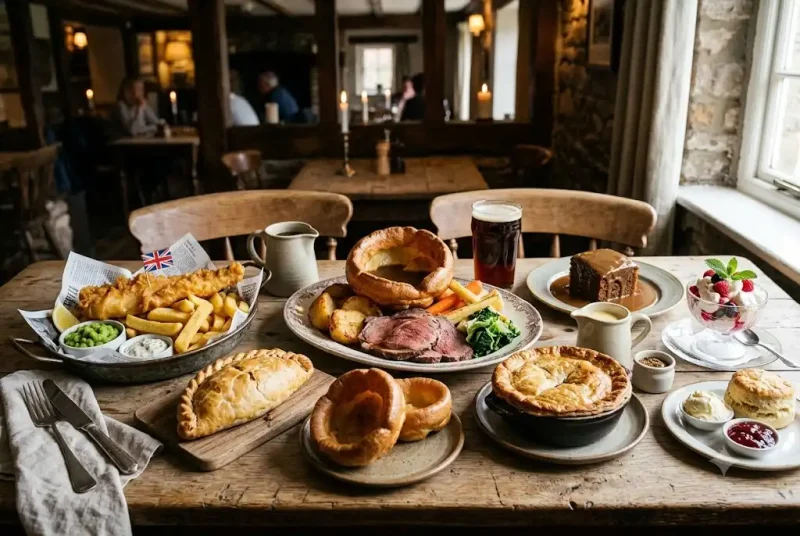

British Delicacies are far more diverse and flavourful than many people realise. From comforting countryside classics to famous regional specialities, the United Kingdom offers a rich culinary heritage shaped by centuries of tradition, local ingredients, and cultural influences. Whether you are a visitor exploring the country or a food enthusiast looking to experience authentic British flavours, there are countless dishes worth discovering.
Today, British cuisine combines traditional recipes with modern culinary creativity. While some dishes have become internationally recognised, many regional favourites remain hidden gems that deserve attention. This guide explores some of the most iconic foods from the UK and explains why they continue to hold a special place in British culture.
Why British Delicacies Remain Popular Today
The appeal of British Delicacies lies in their simplicity, quality ingredients, and strong connection to local traditions. Many recipes have been passed down through generations and continue to feature prominently in homes, pubs, restaurants, and food festivals across the country.
Modern consumers are increasingly interested in food heritage, regional specialities, and authentic dining experiences. As a result, traditional British dishes have enjoyed renewed popularity among both locals and international visitors.
Understanding food traditions also helps consumers make informed choices about ingredients, preparation methods, and nutrition, which closely connects with broader discussions around food selection factors.
Fish and Chips: The UK’s Most Famous Dish
When discussing foods from the UK, fish and chips is often the first dish that comes to mind. This iconic meal consists of battered white fish, typically cod or haddock, served with thick-cut chips.
Originally popularised during the nineteenth century, fish and chips quickly became a staple across Britain. Today, seaside towns and local chippies continue to serve this beloved classic.
Traditional accompaniments include:
- Mushy peas
- Tartar sauce
- Salt and vinegar
- Pickled onions
- Curry sauce in some regions
The Full English Breakfast
The Full English Breakfast represents one of the most satisfying meals in British cuisine. Traditionally served in the morning, it includes a combination of:
- Bacon
- Sausages
- Eggs
- Baked beans
- Grilled tomatoes
- Mushrooms
- Toast
- Black pudding in some regions
This hearty breakfast remains popular in cafés, hotels, and homes throughout the UK.
Sunday Roast: A British Institution
Few British Delicacies carry as much cultural significance as the Sunday roast. Families across the UK gather weekly to enjoy roasted meat accompanied by vegetables and rich gravy.
Common roast options include:
- Roast beef
- Roast chicken
- Roast lamb
- Roast pork
The meal is typically served with roast potatoes, Yorkshire puddings, seasonal vegetables, and homemade gravy.
The Sunday roast remains one of the best examples of traditional British hospitality and family dining.
Yorkshire Pudding
Although often served alongside roast dinners, Yorkshire pudding deserves recognition as a delicacy in its own right. Made from a simple batter of eggs, flour, and milk, it develops a light, crispy exterior and soft centre when baked.
Originating in northern England, Yorkshire pudding is now enjoyed throughout the country and remains a key component of many traditional meals.
Traditional London Cuisine Worth Exploring
Traditional London cuisine reflects the city’s long history and multicultural influences. While modern London offers cuisine from every corner of the world, several classic dishes remain closely associated with the capital.
Pie and Mash
Pie and mash has been a London favourite for generations. The dish typically features a meat pie served with mashed potatoes and parsley liquor, a distinctive green sauce.
Jellied Eels
Although less common today, jellied eels remain one of London’s most historic foods. Once widely consumed by working-class communities, they continue to represent an important part of the city’s culinary heritage.
Scottish Specialities
Scotland contributes several unique British Delicacies that attract food lovers from around the world.
Haggis
Haggis is Scotland’s national dish and consists of a savoury mixture traditionally made with oats, spices, and minced meat. It is commonly served with neeps and tatties (turnips and potatoes).
Scottish Salmon
Widely regarded as one of the world’s finest seafood products, Scottish salmon is celebrated for its quality, flavour, and versatility.
Welsh Culinary Traditions
Wales offers its own collection of regional delicacies that showcase local ingredients and agricultural traditions.
Welsh Rarebit
This classic dish features a savoury cheese sauce served over toasted bread. Despite its simplicity, Welsh rarebit remains one of the country’s most beloved comfort foods.
Cawl
Cawl is a traditional Welsh soup or stew made with meat and seasonal vegetables. It has long been considered a national dish of Wales.
Northern Irish Food Specialities
Northern Ireland also contributes several notable dishes to the collection of UK delicacies.
Popular examples include:
- Ulster Fry
- Potato bread
- Soda bread
- Irish stew
These dishes reflect the region’s agricultural heritage and strong tradition of hearty home cooking.
Sweet British Delicacies
British cuisine is not limited to savoury dishes. Many traditional desserts continue to be enjoyed across the country.
Sticky Toffee Pudding
This rich dessert combines moist sponge cake with a warm toffee sauce and is often served with custard or ice cream.
Treacle Tart
Made with golden syrup, breadcrumbs, and pastry, treacle tart remains one of Britain’s most recognisable desserts.
Eton Mess
Eton Mess combines strawberries, cream, and crushed meringue to create a light and refreshing summer dessert.
The Best of British Foods for Visitors
Travellers hoping to experience the best British cuisine should consider trying:
- Fish and chips
- Sunday roast
- Full English breakfast
- Yorkshire pudding
- Haggis
- Welsh rarebit
- Sticky toffee pudding
- Cornish pasty
Together, these dishes provide an excellent introduction to the UK’s diverse culinary traditions.
Modern British Cuisine and Food Trends
While traditional dishes remain popular, modern chefs continue to reinvent classic recipes using contemporary techniques and locally sourced ingredients.
Sustainability, nutritional awareness, and food transparency are increasingly influencing consumer preferences. These trends are also affecting topics such as food packaging and responsible food production throughout the industry.
Guidance on food standards, safety, and consumer information can be found through the Food Standards Agency.
Conclusion
British Delicacies represent much more than traditional recipes. They tell the story of regional identities, cultural heritage, and generations of culinary craftsmanship. From fish and chips and Sunday roasts to regional specialities such as haggis and Welsh rarebit, the UK offers a remarkable variety of dishes that continue to delight locals and visitors alike.
Whether you are exploring traditional London cuisine or sampling regional favourites across the country, Britain’s food culture offers countless memorable experiences that showcase the true character of the United Kingdom.
Food businesses that prepare large quantities of meals, whether for restaurants, catering services, or large-scale events, should also understand the importance of selecting quality cooking ingredients. For commercial operations that regularly fry foods, following a bulk frying oil buying guide can help improve food consistency, control operating costs, and maintain high kitchen standards.
