
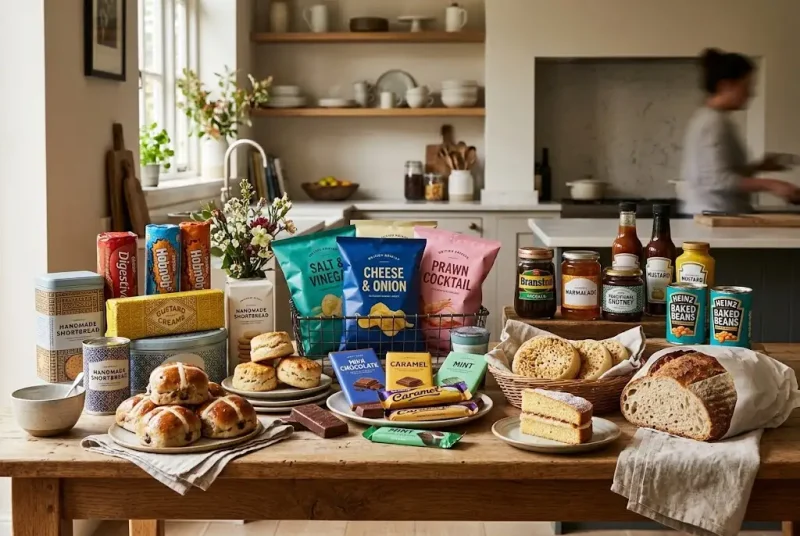

British Food Brands are a major part of everyday life across the UK, from the bread and breakfast products found in family kitchens to biscuits, crisps, chocolate, sauces and convenient meals. Some have been established for generations, while newer food companies continue to introduce different flavours, ingredients and ways of eating.
For shoppers, knowing the leading food brands in the UK can make supermarket choices easier and provide a useful starting point when exploring products made by British businesses. This guide looks at some well-known names, the categories they are associated with and what makes UK food companies so distinctive.
What Are British Food Brands?
British food brands can broadly include companies and consumer brands that originated in Britain, have strong roots in the UK food industry, or have become closely associated with British food culture. They cover a wide range of categories, including bakery, confectionery, snacks, sauces, cereals, frozen foods and prepared products.
Not every product carrying a familiar British brand name is necessarily manufactured in Britain. Ownership, manufacturing locations and supply chains can vary between products. Therefore, shoppers interested specifically in British-made food should check the packaging and individual company’s information rather than assuming that a brand’s heritage means every product is UK-made.
There is also a substantial community of smaller producers alongside the household names. The Great British Food Programme, for example, maintains a directory of UK food and drink producers, showing how broad the country’s food manufacturing landscape has become.
Popular British Food Brands in the UK
The UK has many recognisable food brands across everyday grocery categories. Some are strongly associated with particular products, while others operate across several food segments.
Warburtons
Warburtons is one of the best-known bakery names in Britain. The family business traces its baking history to Bolton in Lancashire, where the company says bread production began in 1876. Today, its range includes bread, rolls, crumpets, pittas, flatbreads, bagels and other bakery products.
The company says it operates 13 bakeries and 18 depots and produces more than two million bakery products each day. Its long history and broad distribution have helped make it a familiar name in British households. Warburtons’ company history and bakery operations provide further information about its development.
Heinz
Heinz is another highly recognisable name among food brands in the UK. Its products are associated with everyday grocery staples and include baked beans, soups, sauces and other foods.
Heinz demonstrates how a food brand can become embedded in household routines. Products that are easy to prepare and familiar to consumers often remain popular because they combine convenience with consistent taste.
McVitie’s
McVitie’s is particularly associated with biscuits and sweet treats. Its products occupy an important place in the UK’s biscuit market and are commonly served with tea, offered to visitors or included in lunchboxes and snack cupboards.
Biscuits are an especially interesting part of British food culture because they sit between everyday snacking and social occasions. This helps explain why established biscuit brands remain highly recognisable across generations.
Walkers
Walkers is one of the most familiar names in the UK’s savoury snack market. Its range includes classic crisps as well as several other snack lines and flavours. The company’s current product range demonstrates how established brands continue to develop new varieties while maintaining familiar products.
For readers interested in this side of the food market, our guide to savoury snacks in the UK explores popular snack choices and ideas in greater detail.
Cadbury
Cadbury has a particularly strong association with chocolate in Britain. Its product family includes Dairy Milk and a variety of other chocolate brands and formats.
Chocolate brands such as Cadbury are also closely connected with gifting, celebrations and everyday treats. The company’s official UK website features its current product range, recipes and seasonal offerings.
British Food Brands Across Different Categories
One useful way to understand British food brands is to look beyond individual names and consider the categories in which UK companies have developed strong consumer recognition.
Bakery and Bread
Bakery products are central to the British grocery market. Bread, rolls, crumpets, pancakes and other baked goods are staples for many households. Alongside large national brands, Britain has numerous regional bakeries and independent producers.
Warburtons, Hovis and Kingsmill are examples of familiar bakery names found in the UK grocery sector. Their products illustrate the importance of packaged bread and related bakery products in everyday shopping.
Biscuits and Snacks
Biscuits and savoury snacks are another major area of British food manufacturing. McVitie’s, Walkers and other established names have built extensive ranges around convenient products designed for sharing, lunchboxes, entertaining and everyday snacking.
The category has also expanded beyond traditional products, with brands introducing different flavours, formats and recipes to respond to changing consumer preferences.
Chocolate and Confectionery
British confectionery includes some of the country’s most recognisable consumer brands. Cadbury is a prominent example, with a portfolio that includes Dairy Milk, Boost, Twirl and Wispa.
Confectionery brands often compete through product innovation, seasonal ranges and limited editions while retaining products that consumers already know. This balance between familiarity and novelty is an important part of modern food marketing.
Frozen and Convenience Foods
Convenience has become an important part of food shopping, and the UK’s freezer aisles contain a wide variety of meals, ingredients and snacks. Well-known brands operate alongside supermarket own-label products, giving shoppers different price and product choices.
If you are comparing convenient meal options, our guide to Frozen Food UK choices covers frozen meals, online shopping, deals and party food.
Food Brands in the UK: Large Companies and Smaller Producers
The phrase food brands in UK covers a much wider market than the biggest names on supermarket shelves. Britain has a large network of food manufacturers, specialist producers and independent businesses serving both domestic and international customers.
The Food and Drink Federation’s membership directory, for example, includes businesses working across bakery, biscuits, frozen foods, ingredients, confectionery and other food sectors. This highlights the breadth of the UK’s food manufacturing industry rather than focusing solely on consumer-facing brands.
Smaller producers are equally important when considering food companies in England and elsewhere across the UK. Regional businesses often specialise in products linked to local ingredients, traditional recipes or particular manufacturing techniques.
Food Companies in London and Across England
London is home to a diverse food business community, including manufacturers, specialist suppliers, food entrepreneurs and companies involved in distribution and retail. Its large and diverse population also creates demand for products representing cuisines from around the world.
However, British food production extends far beyond London. England has established food businesses and manufacturing centres across numerous regions, while Scotland, Wales and Northern Ireland also contribute significantly to the wider UK food sector.
This regional variety is one reason it can be misleading to think of British food as having one single identity. Local traditions, ingredients and businesses all contribute to the country’s food landscape.
What Makes UK Food Brands Successful?
Several factors can help explain why certain brands become household names. Familiarity is one. When consumers repeatedly buy a product and have a consistent experience, the brand can become part of their normal shopping routine.
Distribution is another important factor. A product is easier to establish as a national brand when consumers can find it across supermarkets, convenience stores and other retailers.
Product development also matters. Established brands need to respond to changing preferences, whether that means introducing new flavours, different formats, reduced-sugar alternatives or products aimed at particular dietary requirements.
Finally, heritage can provide a valuable connection with consumers. Long-established businesses can draw on their history while still adapting to a modern food market.
British Food Brands and Traditional UK Food
Brands and traditional food are closely connected, but they are not the same thing. Traditional British cuisine includes dishes and recipes that developed over time, whereas a food brand is a commercial identity associated with particular products.
For example, a packaged pie brand may sell products inspired by a traditional British dish, but the brand itself is a modern commercial business. Understanding this distinction makes it easier to explore both the companies behind British groceries and the foods that form part of the country’s culinary heritage.
For a broader look at traditional dishes, ingredients and popular meals, explore our guide to UK foods and British cuisine.
How to Choose Between British Food Brands
Brand recognition can be useful, but it should not be the only consideration when choosing food. Compare ingredients, portion sizes, nutritional information and price before deciding which product offers the best fit for your household.
It can also be worthwhile trying products from smaller British producers. Independent businesses may offer regional specialities, unusual flavours or products that are not widely available through national supermarket chains.
If buying British-made food is important to you, check the product packaging for manufacturing and origin information. A brand’s history alone does not necessarily tell you where a particular item was produced.
Exploring Foods from the UK
One of the strengths of the UK’s food sector is its variety. Shoppers can find traditional products alongside international influences, modern convenience foods and specialist regional products.
That makes foods from the UK useful to explore from several perspectives. You can look at famous national brands, independent producers, regional specialities and traditional recipes to gain a broader understanding of British food.
Food also plays an important role in social occasions. From crisps and biscuits to desserts and savoury appetisers, branded products frequently appear on tables when families and friends gather. For more inspiration, our guide to party food ideas for UK occasions explores practical choices for entertaining.
The Future of British Food Brands
The UK’s food industry continues to evolve as consumers look for convenience, variety, value and products that match changing lifestyles. Established companies have to protect the trust built around their brands while responding to new expectations.
At the same time, smaller producers have more opportunities to reach consumers through specialist retailers, online shopping and direct-to-customer sales. This creates a food market where heritage brands and emerging businesses can compete in different ways.
For consumers, that means there is more choice than ever. Whether you prefer familiar supermarket staples, regional products or independent producers, British food companies offer a broad range of options.
Final Thoughts on British Food Brands
British Food Brands represent a diverse part of the UK’s food landscape, spanning bakery, biscuits, snacks, chocolate, sauces, frozen products and everyday grocery essentials. Names such as Warburtons, Heinz, McVitie’s, Walkers and Cadbury demonstrate the strength of established brands, while thousands of smaller producers add regional character and innovation.
Rather than viewing the market only through its biggest household names, it is worth exploring the wider network of UK food companies and producers. Doing so reveals how traditional British food, modern manufacturing and changing consumer tastes continue to shape what appears on tables and supermarket shelves across the country.
