
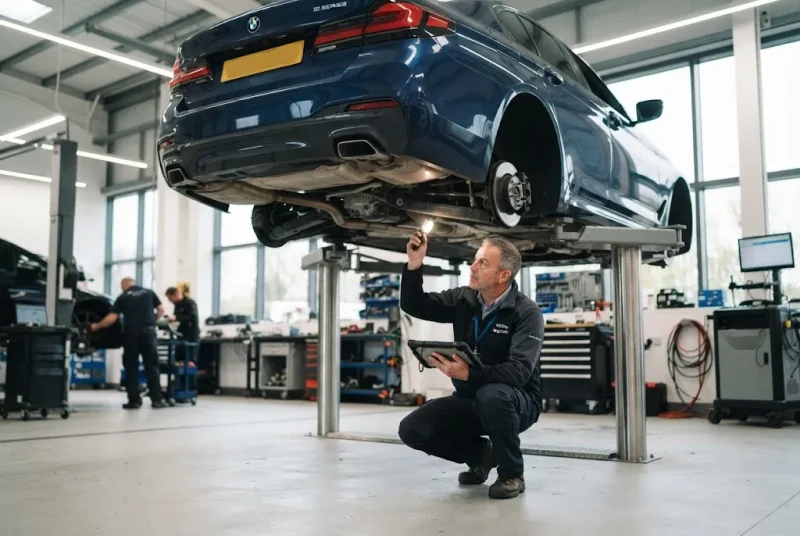

A vehicle inspection is an important part of responsible car ownership. It can help identify problems with a vehicle’s condition, highlight maintenance requirements and provide useful information before a driver commits to significant repair or ownership costs. When environmental performance is also considered, inspections can support more informed decisions about emissions, maintenance and cleaner transport.
For UK motorists, an inspection should not be confused with a single type of official test. Different checks serve different purposes. An MOT, for example, is a legal roadworthiness test for eligible vehicles, while a broader inspection may examine mechanical condition, maintenance history and other areas depending on who performs it and why it is being requested.
What Is a Vehicle Inspection?
A vehicle inspection is a structured assessment of a car or other vehicle to establish its current condition. The scope can vary considerably. A basic inspection might focus on visible components and obvious faults, while a more comprehensive assessment can include mechanical systems, tyres, brakes, steering, suspension and evidence of previous maintenance.
Inspections can be useful at several points in a vehicle’s lifecycle. An owner may request one before undertaking major repairs, while a buyer may want an independent assessment before purchasing a used vehicle.
The purpose is not necessarily to predict every future failure. Instead, a good inspection provides additional information that can help a driver make a better-informed decision.
Vehicle Inspection and the MOT: What Is the Difference?
In the UK, the MOT has a specific legal purpose. It checks that a vehicle meets required environmental and road safety standards at the time of the test. Passing an MOT does not mean that a vehicle is mechanically perfect or that it will remain trouble-free until the next test.
A broader vehicle inspection can therefore provide additional information about the vehicle’s general condition. Depending on the service, it may examine areas that go beyond the specific items assessed during an MOT.
Drivers should also remember that an MOT certificate is not a substitute for routine servicing. Vehicles still need appropriate maintenance between tests, even when the most recent MOT result was satisfactory.
Why Vehicle Condition Matters for Sustainable Ownership
Vehicle condition has an important relationship with efficient and responsible ownership. A car that is maintained properly can be more predictable to operate, while neglected faults may lead to premature component replacement or more extensive repairs.
For example, poor wheel alignment can contribute to uneven tyre wear. A damaged exhaust or emissions-related fault may affect environmental performance. Problems with brakes, suspension or steering can create safety concerns as well as additional maintenance requirements.
Identifying these issues earlier gives owners the opportunity to decide how best to address them. In some cases, a relatively straightforward repair may restore the vehicle’s condition and extend its useful service life.
This connects vehicle inspections with wider maintenance planning. Drivers considering unexpected repair costs can also review repair finance options when appropriate, while remembering that any finance agreement should be assessed based on its total cost and terms.
Vehicle Inspection and Emissions Inspections
Emissions inspections focus on pollutants and exhaust emissions produced by vehicles. They form an important part of environmental vehicle standards because poorly maintained or faulty vehicles can produce excessive emissions.
In Great Britain, the MOT includes checks relating to emissions for applicable vehicles. The exact requirements depend on the vehicle type, age, fuel type and other characteristics.
Drivers should not wait for an emissions-related failure before thinking about vehicle maintenance. Warning lights, unusual exhaust smoke, changes in fuel consumption or unusual engine behaviour can all justify further investigation.
Keeping the engine and emissions-related systems maintained according to the vehicle manufacturer’s requirements can help support reliable operation. For drivers considering a vehicle over a longer period, monitoring its maintenance needs also provides useful information when deciding whether continued ownership remains sensible.
How Environmental Compliance Fits Into Vehicle Checks
Environmental compliance is an increasingly relevant consideration for vehicle owners. UK rules set standards that vehicles must meet, and these requirements can change as regulations and transport policies develop.
However, environmental responsibility goes beyond simply passing a required test. Drivers can also consider fuel consumption, emissions performance, maintenance condition and whether their vehicle remains appropriate for their needs.
For businesses operating multiple vehicles, this becomes particularly important. Keeping inspection and maintenance records can help fleet operators understand vehicle condition and plan servicing rather than relying solely on unexpected repairs.
The Importance of Service History
A vehicle’s service history provides valuable context during an inspection. It can show whether routine maintenance has been performed and may provide evidence of significant repairs or component replacements.
When reviewing a used car, buyers should look for documentation that supports the vehicle’s maintenance claims. Digital service records, invoices and inspection reports can all contribute to a clearer picture, although documentation should still be assessed alongside the vehicle’s actual condition.
A complete service history does not guarantee that a vehicle will never develop a fault. Likewise, limited documentation does not automatically mean that a vehicle is unsuitable. Instead, the history should be considered as one part of a broader assessment.
What Maintenance Records Can Reveal
Maintenance records may help establish when important work was carried out and whether recurring issues have appeared over time. They can also help identify patterns that deserve further investigation.
For example, repeated repairs involving the same system may indicate an underlying issue. Conversely, evidence of regular servicing and timely replacement of wear items can provide reassurance that the vehicle has received consistent attention.
Vehicle Condition Checks Before Buying a Used Car
A pre-purchase inspection can be particularly useful when buying a used vehicle. The asking price alone does not tell a buyer what the vehicle may cost to maintain after purchase.
An inspection can provide an opportunity to assess visible bodywork, tyres, brakes, steering, suspension, engine-related components and other relevant systems. The exact scope depends on the inspection service and vehicle.
Buyers should also compare the inspection findings with the seller’s description and available maintenance records. If significant issues are identified, the information can help the buyer decide whether to negotiate, budget for repairs or walk away from the purchase.
This approach can support more responsible buying because it focuses on the actual condition and expected ownership requirements rather than simply choosing the cheapest vehicle available.
How Inspections Support Cleaner Transport
Cleaner transport depends on several factors, including vehicle technology, driving patterns, infrastructure and maintenance. Inspections form only one part of this wider picture, but they can help ensure that vehicles are operating in an appropriate condition.
For conventional petrol and diesel vehicles, maintaining emissions-related systems and addressing faults can support compliance with applicable standards. For electric vehicles, inspections can focus on areas relevant to their different powertrains, such as tyres, brakes, suspension and other vehicle systems.
The shift towards electric and lower-emission vehicles also makes condition assessment important. Buyers need to understand the particular characteristics of the vehicle they are considering rather than assuming that a newer or different powertrain automatically means lower ownership risk.
Vehicle Inspection Before Major Repairs
When a vehicle develops several problems at once, an inspection can help owners prioritise repairs. Rather than replacing components one at a time without understanding the wider condition of the vehicle, a structured assessment can provide a more complete picture.
This can be especially valuable for older vehicles. If several systems are approaching the end of their useful service life, the owner can make a more informed decision about whether to repair the car or consider another vehicle.
Where the vehicle remains fundamentally sound, targeted maintenance may offer better long-term ownership value than replacing the entire vehicle. On the other hand, an inspection may reveal enough major issues to justify reconsidering continued ownership.
Combining Vehicle Inspections With Preventive Maintenance
Inspection should not be treated as a replacement for routine maintenance. Instead, the two work together.
Preventive maintenance involves following appropriate servicing schedules and responding to early signs of wear or malfunction. A periodic inspection can complement this process by providing an additional assessment of the vehicle’s condition.
Drivers should also keep an eye on everyday items such as tyre condition and pressure. Appropriate tyre services can help address fitting, replacement and maintenance needs before tyre-related problems become more serious.
Keeping records of inspections and maintenance creates a useful ownership history. It can also help future buyers understand how the vehicle has been cared for if it is eventually sold.
What to Ask During a Vehicle Inspection
Before booking an inspection, drivers should understand what is included. Different providers can offer very different levels of assessment.
- Which components and systems will be checked?
- Will the inspection identify visible safety-related issues?
- Does it include a road test where appropriate?
- Will the inspector review available maintenance records?
- Will faults be categorised by urgency?
- Will photographs or a written report be provided?
- Are diagnostic checks included?
- Does the inspection replace or complement an MOT?
Clear answers to these questions can help prevent misunderstandings about what the inspection actually covers.
Keeping Vehicle Inspection Records
Maintaining organised records can make vehicle ownership easier to manage. Keep copies of inspection reports, invoices, servicing information and relevant maintenance records in a place where they can be accessed easily.
For individual owners, these records provide a useful history of expenditure and vehicle condition. For businesses, they can help with fleet management, maintenance scheduling and compliance processes.
Records can also be valuable when selling a vehicle. A clear history gives prospective buyers more information about how the vehicle has been maintained, although the physical condition of the car remains equally important.
Final Thoughts on Sustainable Vehicle Inspections
A vehicle inspection can provide useful information about safety, condition, maintenance requirements and potential ownership costs. When combined with regular servicing and appropriate record keeping, it can help drivers make more informed decisions throughout a vehicle’s lifecycle.
Emissions and environmental requirements are another important part of responsible motoring, but sustainable ownership should not be reduced to passing an individual test. Maintaining a vehicle properly, repairing faults when appropriate and understanding its long-term condition can all contribute to more responsible transport choices.
For UK drivers, the most useful approach is to view inspection as one part of a wider maintenance strategy. A clear understanding of vehicle condition, service history and future maintenance needs can support safer driving, better financial decisions and more informed choices about cleaner transport.
